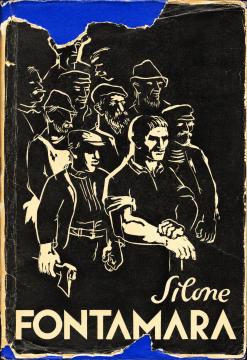
Fontamara

In the impoverished Italian village of Fontamara, peasants confront exploitation, deception and Fascist oppression. A powerful novel about social injustice, resistance and the struggle for human dignity.
Fontamara by Italian writer Ignazio Silone is a powerful social and political novel depicting the lives of impoverished peasants during the rise of Fascism in Italy.
Set in the fictional village of Fontamara in the Abruzzo region, the story follows rural inhabitants known as cafoni, who have struggled for generations to survive through agricultural labour. Poverty, illiteracy and dependence on wealthy landowners and local authorities define their existence.
When powerful interests divert the water essential for irrigating their fields, the villagers face deception, humiliation and violence. Their struggle for basic necessities gradually becomes a confrontation with the Fascist system, which protects the privileged at the expense of the poor.
Central to the story is Berardo Viola, a proud and physically powerful peasant whose fate becomes a symbol of resistance and sacrifice.
Through direct, expressive storytelling combining irony with tragedy, Silone exposes the mechanisms of social exploitation. Fontamara remains a compelling portrait of the dispossessed and a universal story of solidarity, rebellion and human dignity.
One copy is available
- Damaged book cover
- Signature of previous owner