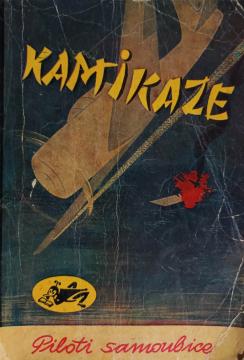
Kamikaze – Piloti samoubice

Kamikaze – Piloti samoubice

Vagenhals, bekannt für seine Arbeiten zur ostasiatischen Geschichte und seine Übersetzungen japanischer Texte, erstellte diese Zusammenstellung als eine der ersten jugoslawischen Studien über die japanischen Tokkōtai-Spezialangriffseinheiten in der Endpha

Vagenhals widerlegt den Mythos der „Selbstmordfanatiker“: Viele der Piloten (zumeist Studenten zwischen 19 und 22 Jahren von Universitäten in Tokio und Kyoto) waren Freiwillige, die unter dem Druck der Militärführung und der Bushidō-Kultur standen, aber auch aufgrund von Ressourcenmangel zwangsrekrutiert wurden. Die Chronologie beginnt mit der Entwicklung des Konzepts in der Schlacht um Leyte (Oktober 1944), wo Admiral Takaji Onishi die Taktik billigte. Sie beschreibt die Organisation: Luft- (Ohka-Raketen), See- (Kaiten-Torpedos) und Landeinheiten (Shinyō-Boote, Fukuryu-Tauchminen), deren Ausbildung nur 25–30 Tage statt der üblichen 100 Tage dauerte.

Das Buch beschreibt die elf Hauptangriffswellen bis August 1945 und legt dabei besonderen Wert auf persönliche Schicksale: Die Piloten schrieben Haiku-Gedichte, Abschiedsbriefe an ihre Familien und banden sich Hachimaki-Schals wie Samurai um. Vagenhals führt Statistiken an: etwa 3.800 gefallene Piloten (2.500 Marine, 1.300 Heer), 368 beschädigte/versenkte alliierte Schiffe (47 versenkt), was einer Erfolgsquote von 14–17 % entspricht. Das Werk enthält außerdem Übersetzungen von Befehlen, Tagebüchern und Analysen japanischer Propaganda.

Angesiedelt im Kontext des Jahres 1955, nach der Entstalinisierung und der jugoslawischen Neutralität, beleuchtet das Werk Kriegsverbrechen und Verzweiflung sachlich und ohne Sensationsgier. Es gilt als Vorläufer von Vagenhals’ späteren Ausgaben zum selben Thema, doch das Original von 1955 ist nach wie vor eine Rarität und unterstreicht das universelle Thema des Opfers in totalitären Kriegen. Es wird für seine Präzision und seinen humanen Ansatz gelobt.

Editor
Reuf Bravo
Graphics design
Slobodan Bogojević
Dimensions
16.5 x 11 cm
Pages
224
Publisher
Džepna knjiga, Sarajevo, 1955.
 
Latin alphabet. Paperback.
Language: Serbian.

One copy is available

Condition:Used, good condition (visible signs of use)
Damages or inconvenience notice:
  • Vergilbte Seiten
  • Spuren von Patina
 

Are you interested in another book? You can search the offer using our search engine or browse books by category.

You may also be interested in these titles

Nevidljivi neprijatelj na Atlantiku 1-2

Nevidljivi neprijatelj na Atlantiku 1-2

Boris Prikril

The book provides a detailed account of naval conflicts in the Atlantic Ocean during World War II, with particular emphasis on the Battle of the Atlantic Convoy and the activities of German submarines – the so-called "invisible enemy".

Znanje, 1985.
Croatian. Latin alphabet. Hardcover with dust jacket.
The book consists of two volumes
6.98
Od Versaillesa do kraja Drugoga svjetskog rata

Od Versaillesa do kraja Drugoga svjetskog rata

Neil Morris

The book provides an overview of key events and changes in the world from the end of World War I to the end of World War II.

24 sata, 2011.
Croatian. Latin alphabet. Hardcover.
4.68
Partizanska i komunistička represija i zločini u Hrvatskoj 1944.-1946.: dokumenti. Knjiga 2: Slavonija, Srijem i Baranja

Partizanska i komunistička represija i zločini u Hrvatskoj 1944.-1946.: dokumenti. Knjiga 2: Slavonija, Srijem i Baranja

Vladimir Geiger

The first critical edition of original documents (187 of them) of units and institutions of the NOV and PO of Yugoslavia and Croatia on the actions taken against defeated military and political opponents in the area of ​​Slavonia, Srijem and Baranja befor

Hrvatski institut za povijest, 2006.
Croatian. Latin alphabet. Hardcover.
15.42
"Enigma" do pobjede

"Enigma" do pobjede

Ilija Marinković

The story of three Polish mathematicians who cracked the German Enigma cipher machine in the 1930s. Their secret work allowed the Allies to read Nazi messages during the war, shortening it by years and saving millions of lives.

NIŠRO "Vjesnik", 1977.
Croatian. Latin alphabet. Hardcover.
6.325.06
Dan prije svanuća

Dan prije svanuća

Thomas Wiseman

A historical novel based on true events from the closing days of World War II. The story follows a special Reich investigator, Ernst Schöller, who possesses extensive knowledge of key figures and secrets of the Third Reich.

August Cesarec, 1979.
Croatian. Latin alphabet. Hardcover with dust jacket.
7.345.51
Pakao Pacifika 1-2

Pakao Pacifika 1-2

Boris Prikril

A book that has achieved extraordinary success. The reader cannot put it down until he has read it to the end. As if in a film, vividly and dynamically, the most dramatic events of World War II unfold before the reader's eyes.

Znanje, 1985.
Croatian. Latin alphabet. Hardcover with dust jacket.
The book consists of two volumes
4.98