Antique books
Kako sam ubila svoje dijete
A moralistic novel written in the form of a confession in which a young woman tells how she had an abortion out of vanity, fear of scandal, and frivolity, and then experiences deep remorse, suffering, and spiritual conversion.
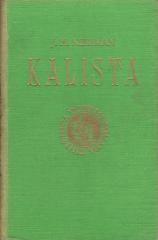
Kalista
Callista (1855) is a historical novel, set in 3rd century North Africa, that follows the young Greek woman Callista, a talented sculptor of pagan statues, who confronts the truth of Christianity during the persecution of Christians under Emperor Decius.
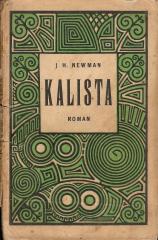
Kalista
Callista (1855) is a historical novel, set in 3rd century North Africa, that follows the young Greek woman Callista, a talented sculptor of pagan statues, who confronts the truth of Christianity during the persecution of Christians under Emperor Decius.
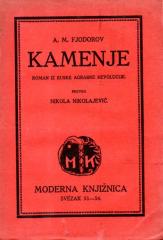
Kamenje : roman iz ruske agrarne revolucije
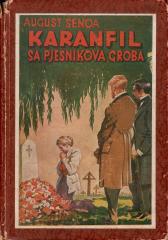
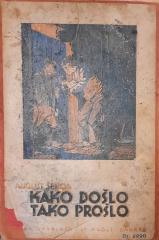
Karanfil sa pjesnikova groba / Pruski kralj / U akvariju
The book 19 Collected Works of August Šenoa brings together three diverse narratives: a romantic-national story about love and Slavicism, a satirical humorous and sharp social criticism of Zagreb's bourgeois society.
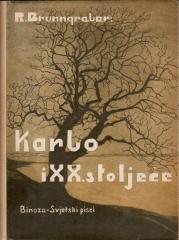
Karlo i XX. stoljeće
The story of Karl Lakner, caught in the huge world machine of capitalism. A political and economic visionary novel by Rudolf Brunngraber from the 1930s.
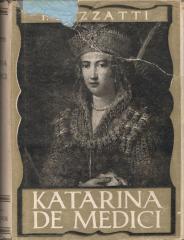
Katarina de Medici
The novel "Katarina de Medici" is one of the most important works of Ivo Luzzati, a Croatian writer, publicist and historian. Luzzatti was known for covering significant historical figures and events in his books.
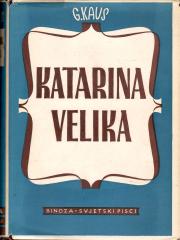
Katarina Velika: Romansirana biografija o Katarini Velikoj
Catherine the Great is a historical novel by Austrian author Gina Kaus. The work deals with the political rise of Catherine II. The Great, one of the most influential rulers of the 18th century, and depicts the court intrigues, power, and reforms she used
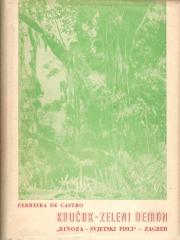
Kaučuk: Zeleni demon
A Selva is a classic of Portuguese literature, one of those works that, as they say, enter the canon of Portuguese literature.