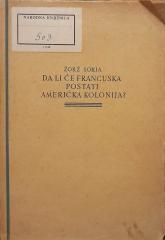
Rare books
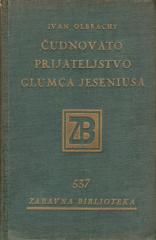
Čudnovato prijateljstvo glumca Jeseniusa
Ivan Olbracht's story follows the actor Jesenius, who prepares for the role of Jan Jesenius and, by identifying with him, gradually becomes psychologically destabilized and loses his sense of his own identity.
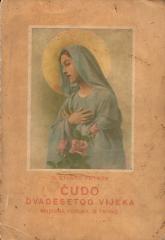
Čudo dvadesetog vijeka: Marijina poruka iz Fatime
The first Croatian book about the Fatima apparitions and Mary's message to the world, written by Fr. Stanko Petrov (1887–1963), a Franciscan, theologian and polymath. A spiritual-historical account of the miracle of 1917 in the context of World War II.
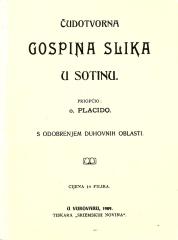
Čudotvorna gospina slika u Sotinu
Announced by Fr. Placido with the approval of the spiritual realms. Reprint of the book published in Vukovar in 1909 by "Sriemskih novina".
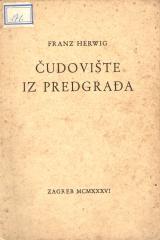
Čudovište iz predgrađa
The novel The Monster from the Suburbs, published in 1936 by the Spiritual Youth Association in Senj, is a contemporary legend that explores the psychological and social aspects of life in urban suburbs.
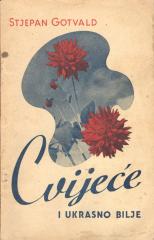
Cvijeće i ukrasno bilje
The book represents one of the first comprehensive domestic works dedicated to horticulture and the cultivation of ornamental plants, written at a time when a systematic approach to the arrangement of gardens, parks and homesteads in Croatia was just bein
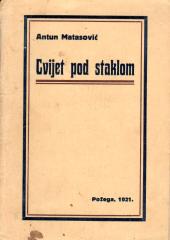
Cvijet pod staklom
"Flower Under Glass" by Antun Matasović is a collection of short stories, presenting the early stories of the Slavonian Catholic writer with motifs of family, love, everyday life and moral dilemmas. A classic regional reading between the two wars.
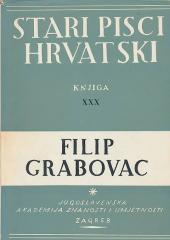
Cvit razgovora naroda i jezika iliričkoga aliti rvackoga
"The Flower of Conversation" is the most famous work of the Franciscan friar and writer Filip Grabovac (1697–1749), first printed in Venice in 1747, and published in a critical edition in the "Old Croatian Writers" edition.
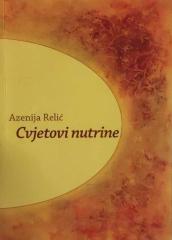
Cvjetovi nutrine
The book "Cvjetovi nutrine" is the first independent poetry and art collection by Azenia Relić.
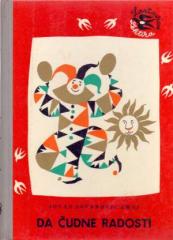
Da čudne radosti
*Da čudne radosti* is a selection from the children's poetry of Jovan Jovanović Zmaj. These cheerful, rhythmic, and witty poems speak of children, family, play, animals, and nature, blending fun, warmth, and a gentle lesson.