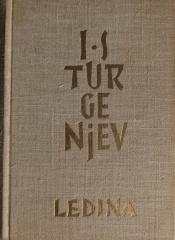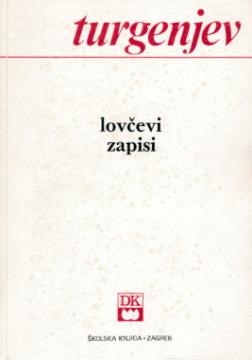
Lovčevi zapisi
A collection of 18 short stories (originally 25) by the famous Russian writer Ivan S. Turgenev, published in 1852. The work arose from his experiences as a passionate hunter, and the stories were written during the 1840s and published in the magazine "Sov
In The Hunter's Notes, Turgenev depicts the realistic life of the Russian province, especially the difficult conditions of serfs under the feudal system, and criticizes the nobility and the social injustices of Tsarist Russia. Turgenev's subtle realism, without direct moral lessons, made this work revolutionary - it led to his brief imprisonment and exile to an estate, and later contributed to the abolition of serfdom in 1861.
The collection does not have a strict narrative thread, but is connected through the eyes of an anonymous narrator-hunter who travels through villages and forests, meeting ordinary people. The main themes are social injustice, the poverty of the peasants, their simple wisdom and connection with nature, and the contrast between the harsh rural life and the refined nobility. Turgenev masterfully combines lyrical descriptions of nature - Russian forests, rivers and steppes - with the tragic fates of the characters, making nature almost the main hero. The peasants are depicted without romanticization: rough, primitive, but deeply humane and resilient.
Some key stories include:
- The Pig and Kalinich: Two contrasting personalities – the free-spirited Pig, who despises the lords, and the loyal Kalinich – illustrate different attitudes towards freedom.
- Yermolai and the Miller's Wife: A tragic tale of Arina, a serf who is banished by her lord for love, highlighting female vulnerability.
- The District Doctor: The moral dilemma of a doctor who hides his love for a dying patient for the sake of his reputation.
- Hamlet of the Šchigrovsk District: An eccentric nobleman talks about his love failures, satirizing the nobility.
- Forest and Steppe: A lyrical description of a spring morning in nature, without plot, just pure impression.
The hunter's writings influenced Russian literature (e.g. Tolstoy, Dostoevsky) and beyond, raising awareness of serfdom and inspiring authors such as the Croatian Ksaver Šandor Gjalski. The work is still relevant today due to its humanity and ecological sensitivity.
Two copies are available