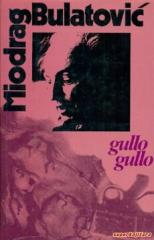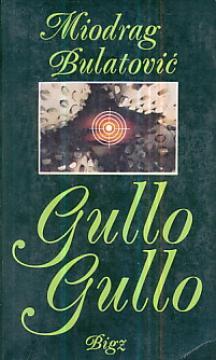
Gullo Gullo
Kao i u romanima Ljudi sa četiri prsta i Peti prst, Miodrag Bulatović je i u ovoj knjizi opsednut monstruoznom tragedijom iseljenika, ljudi van svih svetova, odnosno ljudi istrgnutih iz svog naroda, porekla, imena i života.
Roman Gulo Gulo jednog od najpoznatijih jugoslovenskih romanopisaca, Miodraga Bulatovića, objavljen 1970. godine, predstavlja kulminaciju njegovog stvaralačkog sveta u kome se spoj ludila, magije i brutalne stvarnosti pretvara u snažnu alegoriju ljudskog zla. Naslov romana, izveden iz onomatopeje krikova i životinjskih zvukova, simbolizuje iskonski krik čoveka lišenog razuma, smisla i duše.
U srži priče je niz likova - ratnika, gubitnika, kriminalaca i fanatika - koji se kreću kroz apokaliptični pejzaž nalik snu. Kroz njihove sudbine, Bulatović prikazuje dehumanizaciju i moralni kolaps sveta u kome su ludilo i nasilje postali svakodnevica. Autor stvara atmosferu snažne simbolike i grotesknog, mešajući stvarno i fantastično, sveto i demonsko.
Teme romana uključuju apsurd rata, kolektivno ludilo, versko i ideološko slepilo, kao i besmislenost ljudske patnje. Bulatovićev izraz je eksplozivan i slikovit, pun metafora, brutalnih slika i ritma koji podseća na usmeni ep. Njegovi likovi više nisu realistično prikazani ljudi, već arhetipovi — nosioci zla, straha ili kajanja.
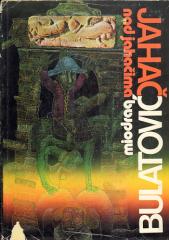
Gullo Gullo zatvara trilogiju započetu romanima Đavoli dolaze i Jahač jahača, u kojima Bulatović razvija svoju poetiku groteskne i egzistencijalne anksioznosti do krajnjih granica. Delo ostaje snažna književna vizija sloma čovečanstva i čoveka koji, suočen sa sopstvenim demonskim licem, izgovara poslednji krik civilizacije.
Dva primerka su u ponudi
Primerak broj 1
- Tragovi patine
Primerak broj 2
- Tragovi patine