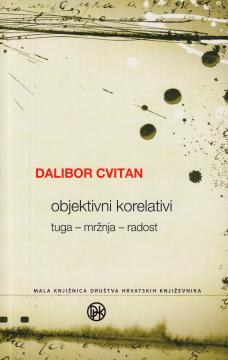
Objektivni korelativi: tuga - mržnja - radost
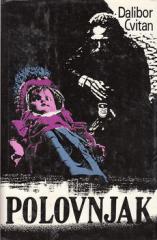
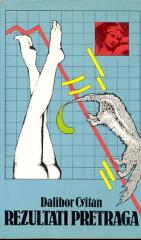
Posthumna zbirka objavljena povodom 25. godišnjice smrti Dalibora Cvitana (1934–1993), proznog pisca, pesnika, esejiste i kritičara. Sadrži izbor od dvadesetak eseja, kratkih priča i feljtona - presek autorovog opusa od 1960-ih do 1990-ih.
Naslov preuzima T. S. Eliotov koncept „objektivnog korelativa“ - spoljašnjeg objekta ili situacije koja objektivizuje unutrašnje emocionalno stanje. Cvitan ga koristi za tri osnovna afekta: tugu (melanholija, neuspeh), mržnju (kritika društva, nihilizam) i radost (retki trenuci nade ili ironije).
U romanima dominiraju antisocijalni urbani gubitnici, marginalci i „mali ljudi“ u duhu egzistencijalnog neuspeha - urbani nihilizam, usamljenost, besmislenost svakodnevnog života. Eseji i feljtoni se bave svakodnevnim fenomenima: slomom morala, lažima društva, političkim i kulturnim licemerjem, zalažući se za pravo na individualnost i kritičko mišljenje u socijalizmu i tranziciji.
Stil je oštar, ciničan, intelektualno precizan, sa notom crnog humora i pesimizma - Cvitanov pogled na svet: čovek je osuđen na samoću i borbu protiv iluzija. Knjiga je važan podsetnik na njegov opus – kritički, nepatetičan, relevantan za razumevanje hrvatske književnosti druge polovine 20. veka.
One copy is available