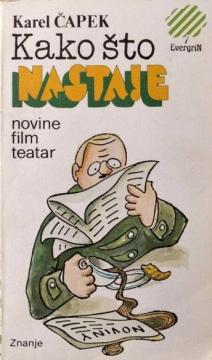
Kako što nastaje: novine, film, teatar
In a witty and instructive essay, Čapek describes how a newspaper, a film, and a theater play are created. Through humor and irony, he shows the complexity of the process – from idea to realization – and the different perspectives of the participants, dem
How It's Made (1925/1930s) is a collection of essays and humorous texts by Karel Čapek, in which the author explains in an entertaining, unobtrusive and very insightful way how three key media and art forms of the 20th century are "born": newspapers, film and theatre.
The book is divided into three main parts:
- How It's Made – Čapek describes the chaos in the editorial office: the conflict between the editor, journalists, the printing house and the administration. Each group thinks that it is the most important one – the editor sees the newspaper as a thought, the printer as a mechanical process, and the administration as accounts. The author uses anecdotes and irony to show how a daily newspaper is born from this struggle.
- How It's Made – a detailed account of the filmmaking process: script, storyboard, shots, sequences, direction, actors, editing. Čapek shows how much film is a collective work, full of compromises, technical challenges and coincidences – from idea to screen.
- How a Theater Play is Made – the most famous part, where Čapek (as playwright and author) guides the reader through the entire process: writing the text, conversations with the director, casting roles, rehearsals, conflicts between actors and directors, set design, premiere. Everything is permeated with humor – actors complain, the director changes, the audience expects miracles.
The book is illustrated by the author's brother Josef Čapek, which adds charm and visual wit. The style is light, lively, full of irony and self-irony – Čapek demystifies "artistic genius" and shows that newspapers, films and theater are, above all, human, imperfect processes full of misunderstandings, ego and work.
This is not a dry instruction manual, but an essayistic treat that reveals the behind-the-scenes of the culture of the 1920s/30s. It is still relevant today: it shows how media and art emerge from the chaos of collaboration, not from divine inspiration. Perfect for fans of Čapek, media history, or those who want to understand "how things are done" behind the scenes.
One copy is available