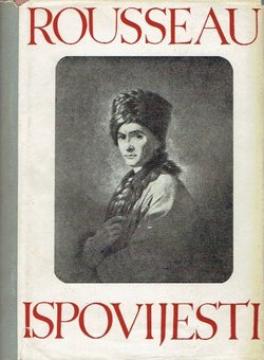
Ispovijesti
Rousseau's Confessions depicts his life from childhood to adulthood, honestly revealing his virtues, weaknesses, inner struggles, and relationships. The work seeks to present man "as he is," laying the foundation for modern autobiography.
Confessions by Jean-Jacques Rousseau is one of the first great modern autobiographical works, in which the author openly and in detail recounts his life, feelings, and moral dilemmas. Rousseau depicts his childhood, youthful experiences, the formation of moral beliefs, his tendency to solitude, the encounters that shaped his intellectual development, and his later conflicts with contemporaries and social institutions. The work is imbued with honesty: the author does not hide his weaknesses, delusions, unpleasant actions, or anxieties, convinced that the truth about himself can serve as an example and warning to others. It also deals with themes of identity, freedom, conscience, and the individual's relationship to society. Rousseau's narrative combines emotional immediacy, philosophical reflection, and a strong need for self-justification, which makes Confessions unique in the history of literature. The work had a great influence on later authors and the understanding of autobiography as a sincere, intimate confession of the human soul.
One copy is available
- The cover is missing