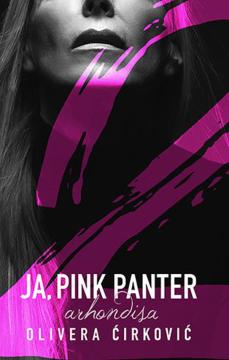
Ja, Pink Panter 2 - Arhondisa
Nastavak senzacionalne ispovijesti Olivere Ćirković – bivše košarkašice i vođe Pink Pantera. Pod zatvorskim nadimkom Arhondisa (žena-zmaj) iskreno opisuje zatvorski život, kriminalne akcije i sukob s društvenom hipokrizijom.
Drugi dio popularne trilogije Ja, Pink Panter. Knjiga je nastavak velike bestseler ispovijesti bivše košarkaške reprezentativke SFRJ, najbolje strane igračice u Grčkoj i poznate pripadnice međunarodne kriminalne grupe Pink Panteri.
Nakon što je prva knjiga zapalila regiju otvorenim prikazom prelaska iz uspješne sportske karijere u svijet organiziranog kriminala, Olivera u drugom dijelu ide još dublje. Pod zatvorskim nadimkom Arhondisa – žena-zmaj donosi napete, sirove i psihološki precizne opise života iza rešetaka u grčkom zatvoru. Piše o svakodnevici s cimerkama, odnosima sa stražarima, zatvorskim rutinama, ali i o akcijama Pink Pantera u kojima je sudjelovala kao vođa.
Knjiga je dinamična, brza i puna adrenalina – čita se kao triler, ali istovremeno nudi duboku psihološku i socijalnu analizu. Olivera se ne hvali, ne kaje se, niti traži opravdanja. Iskreno prikazuje prijatelje iz kriminalnog miljea, unutarnje sukobe, padove, snagu i ranjivost žene koja se ne predaje. Posebno su dojmljivi prikazi zatvorske psihologije, depresije, solidarnosti među zatvorenicama te kritika društvene hipokrizije, pravosuđa i licemjerja modernog društva.
Olivera Ćirković (rođ. 1969. u Beogradu) koristi bogato životno iskustvo: od blistave košarkaške karijere, preko sportskog menadžmenta, do višegodišnjih zatvorskih kazni u Grčkoj (zbog pljački zlatarnica). Knjiga pokazuje njezinu transformaciju – od zatvorenice do otvorene spisateljice koja razbija tabue i predrasude.
Arhondisa je intenzivnija i osobnija od prve knjige. Olivera piše energično, direktno i bez filtera, kako je to već navikla publika. Djelo je podijelilo čitatelje: jednima je inspirativno i hrabro, drugima kontroverzno. Bez obzira na stav, knjiga ostavlja snažan dojam jer pokazuje da iza svake senzacije stoji složena ljudska priča.
Nastavak trilogije potvrđuje da Olivera Ćirković nije samo bivša kriminalka ili sportašica – postala je snažan glas koji progovara o temi slobode, pravde, morala i cijene nekonvencionalnog života. Knjiga je i danas tražena i čitana diljem regije.
One copy is available