Manon Lescaut
Manon Lescaut is a novel about the passionate and tragic love between the knight des Grieux and the beautiful Manon. Their relationship, marked by love, poverty, and moral failures, ends in loss and death.
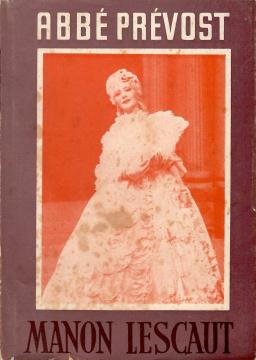
Manon Lescaut by the French writer Abbé Prévost, first published in 1731, is one of the most influential works of love in European literature. The novel is written in the form of a confession and forms the final part of the larger cycle Memoirs and adventures of a distinguished man. The Croatian edition of "Zore" from 1952 brought this classic work, which combines a sentimental novel, adventure prose and psychological analysis, closer to domestic readers.
The narrator and main character, a young nobleman Knight des Grieux, meets Manon Lescaut shortly before she leaves for a monastery. Enchanted by her beauty and charm, he gives up his planned life and flees with her to Paris. Their love soon faces material difficulties. Manon loves des Grieux, but at the same time strives for luxury and a comfortable life, which is why she enters into relationships with wealthy patrons. Des Grieux abandons moral principles, participates in deceptions, and clashes with social norms for the sake of her love.
The novel follows a series of separations and reunions between the two lovers. Their relationship constantly oscillates between sincere affection and disappointment, and social circumstances further deepen their tragedy. After a series of unfortunate events, Manon is deported to the French colony of Louisiana, where des Grieux accompanies her. There, their fate reaches a tragic climax when Manon dies of exhaustion during her escape through the desert.
The novel's central value lies in the complex portrayal of love as a force that simultaneously elevates and destroys. Prévost does not present his characters one-sidedly: Manon is at once seductive, selfish, and sincerely emotional, while des Grieux is torn between reason, social obligations, and passion.
Due to the psychological persuasiveness of the characters and the emotional power of the storytelling, Manon Lescaut has remained one of the key works of French literature and a lasting inspiration for numerous theater, opera, and film adaptations. In this context, the cover of "Zora"'s edition of the novel features a photograph of Croatian National Theater (HNK) member Nada Tončić in the title role of Massenet's opera Manon.
One copy is available