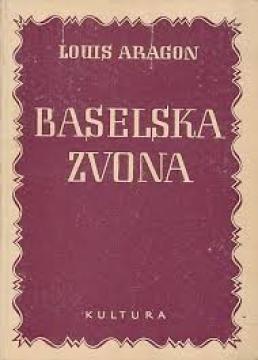
Baselska zvona
Roman prati tri žene: Diane, plemkinju; Catherine Simonidzé, feministicu; te stvarnu Claru Zetkin, komunisticu. Kroz njihove sudbine prikazana je kriza buržoaskog društva, ženska emancipacija i put prema komunizmu.
Bazelska zvona je prvi roman ciklusa Le Monde réel (Stvarni svijet) Louisa Aragona, objavljen 1934. (revidiran 1964.), u kojem Aragon prelazi s nadrealizma na socijalistički realizam i marksističku kritiku društva. Naslov aludira na zvona u Baselu – simbolički na alarm za buđenje radničke klase i kraj buržoaskog svijeta, te na međunarodni kongres žena u Baselu 1912.
Roman je podijeljen u tri glavna dijela, svaki fokusiran na jednu ženu:
- Diane – aristokratkinja iz propale plemićke obitelji, koja živi od "bogatih fiancésa" i koristi seksualnost kao moć. Njezin sin Guy promatra svijet odraslih cinično i satirično – prvi dio je komedija manira, kritika buržoaske dekadencije i licemjerja.
- Catherine Simonidzé – mlada Gruzijka, kći naftnog magnata iz Bakua, koja živi u Parizu od očevih čekova. Počinje kao anarhistica, miješa se s radničkim pokretima (štrajk taksista), zaljubljuje se u Victora (štrajkača), ali shvaća ograničenja individualnog bunta. Njezin put vodi od anarhizma prema socijalizmu.
- Clara Zetkin – stvarna povijesna figura, njemačka socijalistička militantica i feministica (osnivačica Međunarodnog dana žena). Predstavlja ideal revolucionarke – posvećena klasnoj borbi, emancipaciji žena i internacionalizmu.
Aragon kroz ove ženske sudbine secira predratnu Europu (početak XX. st.): buržoasko truljenje, kriza patrijarhata, žensku potlačenost, klasne sukobe i put prema revoluciji. Roman počinje satirično i cinično (kao kritika buržoazije), a završava lirski i idealistički – u komunističkoj nadi. To je "roman s tezom" koji pokazuje kako žene, različitih klasa i ideologija, dolaze do spoznaje da je prava emancipacija moguća samo u socijalističkoj borbi.
Stil je realističan s elementima lirizma i ironije – Aragon koristi dokumentarne motive (štrajkovi, kongresi), ali i psihološku dubinu likova. Djelo je važno za Aragonov prelazak na komunizam (postao član PCF 1927.) i utjecalo na francusku ljevičarsku književnost 30-ih.
Jedan primjerak je u ponudi
- Oštećen hrbat