Hromi djavo
The Lame Devil (1891) is an abridged and illustrated edition of Alain-René Le Sage's famous novel, adapted for young people. Through a fantastic adventure, it offers a satirical portrayal of human flaws and social conditions.
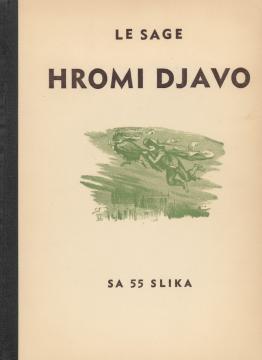
The Lame Devil by the French writer Alain-René Le Sage is one of the most famous satirical works of European literature. The Croatian edition was published in Senj in 1891 as an abridged edition for young people with 55 pictures, adapted for younger readers. The translation is not made directly from the original text, but from the French edition of the Bibliothèque de l'École et de la Famille, one of the most influential European libraries for young people of the 19th century.
The plot follows the student Don Cleofas who frees the demon Asmodeus, the lame devil. In gratitude, the demon takes him above the city rooftops and allows him to peek into the hidden lives of people. Through a series of episodes, human weaknesses, ambitions, deceptions and social injustices are revealed, so the fantastic adventure becomes a witty and sharp satire of human society.
The special value of the Senj edition is its rich illustrative equipment. The book contains 55 illustrations taken from a French model, and the author of the drawings was Tony Johannot (1803–1852), one of the most famous French illustrators of Romanticism. Johannot's illustrations, originally published in the Paris editions of Le Sage's works, significantly contributed to the novel's popularity among young readers and represent an important example of 19th-century European book illustration.
The Senj edition testifies to the efforts of Croatian publishers to bring the classics of European literature closer to the domestic audience in an accessible and visually appealing form. Today it represents a valuable example of an illustrated youth book and an interesting blend of Croatian publishing tradition and French literary culture of the late 19th century.
One copy is available
- Damaged covers
- Traces of patina