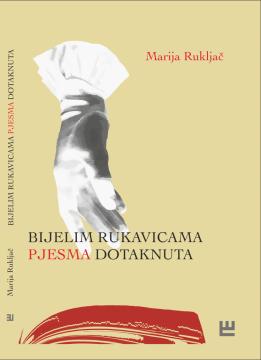
Bijelim rukavicama pjesma dotaknuta
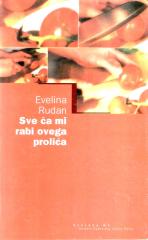
The collection contains three cycles of poems: Florističke slike (18), Slatko isparavanje (19) and U kraljevstvu pjesme (10), a total of 47 poems in free verse on 102 pages, which means that the poems are relatively long.
The low, built up over the years “is getting longer”, “time is a buckle / first shiny, / then rusty costume jewelry” (8). The final image in the poem is ambiguous, and we can also interpret it as an encounter with death: “Hands clasped / on shriveled chests / seek white gloves.” (8). They seek light and spirituality in the darkest moment. Light versus darkness is a well-known antithesis in literature, especially in poetry, and in this collection it functions in connection with gradation and reverse gradation, which implies, for example, bright sunlight that diminishes and is “swallowed by night”, only to appear on the stage in a touch of new whiteness as the future is depicted: “bright Future / for your other shore”. The other shore is just one of the numerous biblicalisms (an allusion to the crossing of the Red Sea and the Jordan River) that subtly warn of the spiritual dimension of the collection. For example, in the poem "Dance of Life", the protagonist in her life's dance presents herself as "David's dancer", as a dancer in honor of God, which is a reference to the description of David's dance that Michal ridiculed according to 1 Chronicles 15:29. The antithesis light - darkness itself also originates from the Bible in which it carries the symbolic meaning of Good and Evil. From this point of view, the numerous refraction of light and shadows in the discourse of this collection is evident, but also in the titles of the poems: Shadows of the Future, Lunar Eclipse, Full Moon, Light, while beams of light from the glowing and personified Sun appear frequently within all the poems and, on the other hand, night, night shadows, a black shadow at the Stations of the Cross, etc. From the point of view of cognitive stylistics, such an antithetical structure could point to the division of the world and the inner landscape of the lyrical protagonist in her movement towards light.
One copy is available