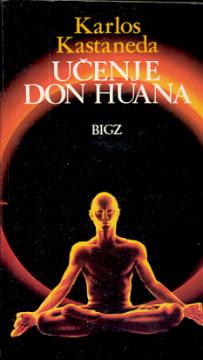
Učenje don Huana
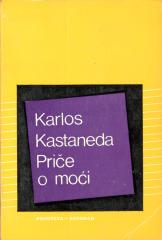
The book describes the author's apprenticeship with the Yaqui shaman don Juan. Through the use of psychotropic plants, Castaneda explores the non-artistic levels of reality and attempts to master the path of the "man of knowledge."
"The Teachings of Don Juan: The Knowledge of the Yaqui Indians" is one of the most influential and controversial works of anthropological and spiritual literature of the 20th century. Based on the author's fieldwork and anthropological research at the University of California (UCLA), the book details the author's five-year relationship with don Juan Matus, a sage and shaman from the Yaqui tribe in the Senore Desert. The work is divided into two main parts. The first part is a chronological diary of Castaneda's experiences with don Juan, focused on the use of psychoactive plants - peyote (which he calls Mescalito), cinnabar, and mushrooms. Through their ritual consumption, don Juan guides Castaneda through altered states of consciousness with the aim of overthrowing the established perception of everyday reality and entering the so-called "unusual reality". The second part of the book presents the author's systematic structural analysis of what he learned. Castaneda attempts to academicize shamanic teachings through concepts such as "allies," "man of knowledge," and the four internal enemies that stand in the way of knowledge (fear, clarity, power, and age). Despite subsequent debates in scientific circles about the authenticity of the field data presented, the book remains a fascinating philosophical examination of the limits of human perception, the nature of reality, and cultural constructions of knowledge.
One copy is available