Povijest svjetske književnosti 3

Povijest svjetske književnosti 3

Vojmir Vinja, August Kovačec, Mirko Tomasović, Helena Mandić‑pachl, Jere Tarle, Gabrijela Vidan, Melita Wolf, Ingrid Šafranek, Zvonimir Mrkonjić, Gajo Peleš, Jelena Zuppa, Pierre Calderon, Ivan Slamnig

The third volume deals with French literature and other literatures of French-speaking expression, including Belgium, Switzerland, Canada and Quebec, as well as Provençal and Romanian literature. It presents their trends, key authors and cultural signific

The third volume of the History of World Literature, edited by Gabrijela Vidan, focuses on French literature and the wider Francophone cultural space, as well as Provençal and Romanian literature. The authors of the contributions – among them Vojmir Vinja, August Kovačec, Mirko Tomasović, Helena Mandić-Pachl, Jere Tarle, Gabrijela Vidan, Melita Wolf, Ingrid Šafranek, Zvonimir Mrkonjić, Gajo Peleš and Jelena Zuppa – provide an overview of key periods and aesthetic trends. French literature, discussed in the contribution by Pierre Calderon, is presented through its classical and modern trends, the influence of major authors and the developmental diversity that has shaped European cultural identity. This is followed by literatures of French language expression: Canadian and Québec literature (Gabrijela Vidan), Belgian and Swiss literature (Ivan Slamnig), which explore the specificities of Francophone regions, the stratification of identity and the differences between European and North American literary traditions. Provençal literature, treated by August Kovačec, represents a unique Mediterranean poetic heritage, with a particular emphasis on the troubadour tradition and its cultural resonance. Romanian literature, also treated in Kovačec's contribution, shows the development of narratives and poetics in the space at the crossroads of Central European and Balkan influences. The volume offers a broad and comprehensive insight into Francophone literatures and their historical interconnections, highlighting the diversity of cultural identities linked by a common language but different historical paths.

Editor
Gabrijela Vidan
Graphics design
Josip Vaništa
Dimensions
24 x 18.5 cm
Pages
898
Publisher
Mladost, Zagreb, 1982.
 
Latin alphabet. Hardcover.
Language: Croatian.

One copy is available

Condition:Used, excellent condition
 

Are you interested in another book? You can search the offer using our search engine or browse books by category.

You may also be interested in these titles

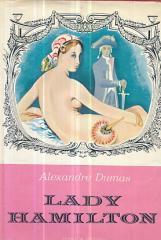
Lady Hamilton

Lady Hamilton

Alexandre Dumas

The novel represents one of Dumas' lesser-known, but still very interesting historical-biographical novels.

Epoha, 1966.
Croatian. Latin alphabet. Hardcover with dust jacket.
4.78
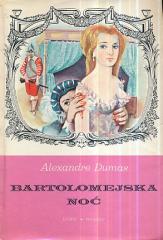
Bartolomejska noć: knjiga 1-2

Bartolomejska noć: knjiga 1-2

Alexandre Dumas

This book focuses on one of the bloodiest events in French history – St. Bartholomew's Day in 1572, when thousands of French Protestants were massacred in Paris and across the country.

Epoha, 1966.
Croatian. Latin alphabet. Hardcover with dust jacket.
The book consists of two volumes
9.36
Četrdeset pet vitezova, sv. 1-2

Četrdeset pet vitezova, sv. 1-2

Alexandre Dumas

Alexandre Dumas – The Forty-Five Knights, published in 1966, is part of a grand trilogy about the political and religious turmoil in France during the late 16th century.

Epoha, 1966.
Croatian. Latin alphabet. Hardcover with dust jacket.
The book consists of two volumes
9.48
Ljubavnici sa Tahoa

Ljubavnici sa Tahoa

Joseph Kessel

The plot is set in Lisbon, along the Tagus River, and follows an emotional and complex love story intertwined with dramatic elements.

Minerva, 1987.
Serbian. Latin alphabet. Hardcover.
4.98
Evgenija Grande

Evgenija Grande

Honore de Balzac

"Eugénie Grandet" (1833), part of Balzac's Human Comedy, is a realistic novel that explores greed, family relationships, and the sacrifices of love in provincial French society.

Veselin Masleša, 1989.
Croatian. Latin alphabet. Hardcover.
4.983.49
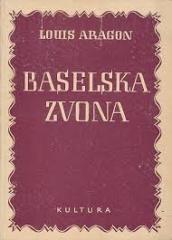
Baselska zvona

Baselska zvona

Louis Aragon

The novel follows three women: Diane, a noblewoman; Catherine Simonidzé, a feminist; and the real Clara Zetkin, a communist. Through their destinies, the crisis of bourgeois society, women's emancipation, and the path to communism are depicted.

Kultura, 1946.
Serbian. Latin alphabet. Hardcover.
5.76