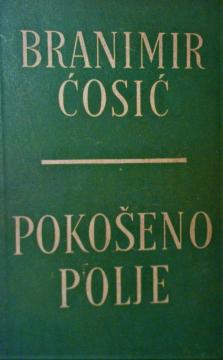
Pokošeno polje
Pokošeno polje je najznačajniji i posljednji roman srpskog pisca Branimira Ćosića (1903.–1934.), dovršen 1933. godine, samo pet mjeseci prije njegove smrti od tuberkuloze u 31. godini.
Roman je podijeljen u dva dijela: prvi je autobiografski prikaz ratom uništenog djetinjstva i porodice glavnog junaka (Ćosićeva vlastita sudbina iz Prvog svjetskog rata), drugi prikazuje moralni i društveni slom poslijeratne Jugoslavije, korupciju, egzistencijalnu krizu i besmisao života. Tragičan, introspektivan portret generacije slomljene ratom i kriznim vremenima.
Branimir Ćosić, rođen u selu Štitar kod Šapca, studirao filozofiju i pravo u Beogradu, radio kao novinar i književni kritičar (Politika, Vreme), pripada generaciji srpskih pisaca između dva rata – realističko-ekspresionističkoj, s elementima socijalne kritike i egzistencijalne melankolije. Umro mlad od tuberkuloze, ostavio ograničen opus: romane Vrzino kolo (1927.), Mrtvi se vraćaju (1930.), zbirke priča i eseje, ali Pokošena polja smatraju se njegovim vrhuncem i najzrelijim djelom.
Roman je prvi put objavljen 1933. u izdanju Gece Kona. Sastoji se iz dva dijela:
- Prvi dio – autobiografski, lirski i intiman: prikazuje djetinjstvo i mladost glavnog lika (jasno alter ego pisca) u ratnom vihoru Prvog svjetskog rata – glad, bijeda, gubitak obitelji, selo razoreno, moralni šok. Ovo je "pokošeno polje" života – metafora za uništenu mladost i generaciju.
- Drugi dio – širi društveni roman: junak u poslijeratnom Beogradu suočava se s korupcijom, birokracijom, lažnom inteligencijom, egzistencijalnom prazninom, nemogućnošću ljubavi i smisla. Likovi su tipični za međuratnu književnost: propali intelektualci, cinici, oportunisti. Stil je psihološki dubok, s introspekcijom, fragmentarnim pripovijedanjem i oštrim društvenim opservacijama.
Djelo je kritika poratne Jugoslavije – dekadencije, gubitka ideala, besmisla – slična motivima kod Crnjanskog (Seobe), Andrića ili Kočića, ali s jačim autobiografskim i intimnim tonom. Naslov simbolizira uništenu generaciju, "pokošenu" ratom i vremenom.
One copy is available
- Tragovi patine