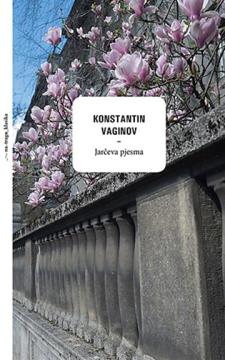
Jarčeva pjesma
Riječ je o Peterburgu početkom 20-ih godina prošlog stoljeća, vremenu kada kultura i svakodnevni život još uvijek pokazuju nekakvo “normalno” stanje.
Okvir romana Jarčeva pjesma (1928) organizira autor koji povremeno upada u pripovjedni tijek i daje na znanje tko drži sve konce u ruci. No on nije i biografski autor teksta, tj. ne predstavlja Konstantina Vaginova, nego je konstrukcija, proizvod nepoznatog pjesnika kojeg su znali samo u uskom krugu ljubitelja poezije. Tu je i znanstvenik Teptjolkin, koji noću radi na svojem životnom djelu Hijerarhija smislova, Miša Kotikov, skupljač građe o tragično stradalom pjesniku Zaeufratskom, Kostja Rotikov, stručnjak za barok, raskošni i luckasti stil, Marija Petrovna Dalmatova, poremećeni pjesnik Septembar, Nataša Golubec i još neki. Družina je to koja ne može prihvatiti revolucijom i ratom opustošeni Petrograd, već sanja o preporodu negdašnjih kulturnih vrijednosti na otoku usred pustoši. Nažalost, postojeća, banalna stvarnost nedostojna je tako zahtjevnog i plemenitog čina. Stoga članovi kružoka, suočeni s novom društveno-političkom situacijom, polako odustaju od realizacije ideala helenizma u gradu koji svojim ruševinama podsjeća na stari Rim. Na kraju se spušta zastor. Predstava je gotova. Nema više. Autor zajedno sa svojim junacima izlazi na scenu i klanja se. Slagari slažu knjigu. Kad su složili pola Jarčeve pjesme, autor sa svojim pravim prijateljima izlazi iz kavane u divnu petrogradsku proljetnu noć koja podiže duše nad Nevom, nad dvorcima i crkvama, u šuštavu noć koja pjeva kao vrt, kao mladost, i leti poput strijele, u noć koja je, kako kaže Vaginov, za njih već proletjela. Piščeva je poruka dakle da u realnosti nema mjesta za duhovne stvari, pogotovo ne za one iz prošlih vremena. Jedino mjesto na koje se može “presaditi” elitna kultura jest zagrobna sfera, vječnost koju kreira umjetnik. Umjetnost je, kao što tumači Vaginov, borba za drugi svijet, odnosno prebacivanje ljudi iz praznine neposredne stvarnosti u puninu boljeg i dugovječnijeg postojanja. Umjetnost je dakle jarčeva pjesma, što bi u prijevodu značilo – tragedija.
Jedan primjerak je u ponudi