Anton P. Čehov

Anton Pavlovich Chekhov (Taganrog, January 29, 1860 – Badenweiler, Germany, July 15, 1904) was a Russian writer, playwright, and physician; he was one of the most significant figures of literary realism and a founder of the modern short story and drama. Born into a merchant family, he grew up in modest circumstances. He studied medicine at Moscow University, graduating in 1884, and practiced as a physician alongside his literary career. He published his early humorous stories under various pseudonyms, the most well-known being "Anton Chekhonte."
He gained literary recognition through short stories characterized by conciseness, psychological insight, subtle irony, and compassion for the human condition. Among his most famous works are The Steppe (1888), A Dreary Story (1889), The Duel (1891), Ward No. 6 (1892), The Black Monk (1894), Three Years (1895), My Life (1896), The Man in a Case (1898), and The Lady with the Dog (1899). In these works, he explores themes such as loneliness, social injustice, moral indifference, unfulfilled desires, and the contradictions of everyday life.
A special place in his body of work is held by the plays Ivanov (1887), The Seagull (1896), Uncle Vanya (1899), Three Sisters (1901), and The Cherry Orchard (1904). His approach to drama represents a revolutionary departure from traditional dramatic action, shifting focus toward internal conflicts, unspoken emotions, and seemingly insignificant events. His collaboration with the Moscow Art Theatre and director Konstantin Stanislavski had a profound influence on the development of modern theatre.
In 1890, he traveled to the island of Sakhalin, where he investigated the lives of convicts and exiles, later documenting his experiences in the work Sakhalin Island (1895). He engaged in humanitarian efforts, assisting peasants and helping to combat epidemics. Having suffered from tuberculosis since his youth, he spent his final years primarily in Crimea. In 1901, he married the actress Olga Knipper.
Chekhov’s literary legacy is characterized by humanism, objectivity, psychological depth, and open-ended narratives; his works have left an enduring mark on the development of global narrative prose and contemporary drama.
Naslovi u ponudi
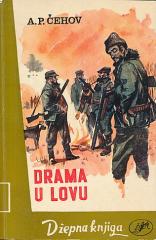
Drama u lovu
Unter den zahlreichen Werken Tschechows, die sowohl in unserem Land als auch in der Welt übersetzt wurden, ist sein Roman „Drama auf der Jagd“ ein weniger bekanntes Werk dieses großen Schriftstellers.
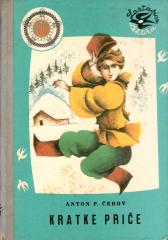
Kratke priče
Die Sammlung *Short Stories* von Anton P. Tschechow präsentiert humorvolle und satirische Schilderungen des Alltags, menschlicher Schwächen, gesellschaftlicher Ungerechtigkeiten sowie Absurditäten und offenbart dabei den scharfen Blick und das Mitgefühl d
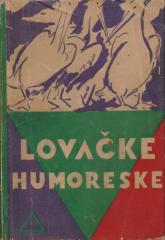
Lovačke humoreske
Eine Sammlung humorvoller Geschichten und Anekdoten rund um das Thema Jagd, herausgegeben von Joža Horvat. Die Autoren schildern das Verhältnis zwischen Mensch, Jagd und Natur anhand humorvoller Anekdoten und verbinden dabei Satire, erzählerischen Charme
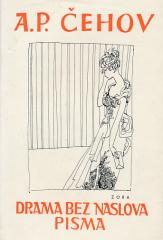
Sabrana djela A. P. Čehova #10: Drama bez naslova, Pisma
Die Geschichte spielt auf einem Landgut, wo sich eine Gruppe von Charakteren aus verschiedenen Gesellschaftsschichten versammelt, konfrontiert mit Langeweile, unerfüllten Ambitionen und emotionaler Leere.
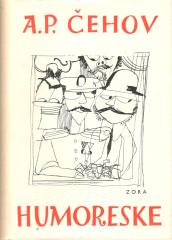
Sabrana djela A. P. Čehova #1: Humoreske
Dieses Buch enthält Tschechows Werke aus den Jahren 1880-1885, also Humoresken, Kurzgeschichten und Skizzen, beginnend mit „Briefe an einen gelehrten Nachbarn“, die Tschechow als Beginn seiner literarischen Karriere betrachtete.
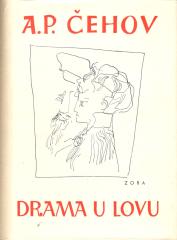
Sabrana djela A. P. Čehova #3: Drama u lovu i druge novele
Treći tom Sabranih dela sadrži najobimniju Čehovljevu novelu „Drama u lovu“, kao i niz dužih priča iz perioda 1885-1886. Tu su humoreske poput „Silos u vreći“, „Eh, ta publika“ i „Mnogo papira“, kao i novele poput „Uzvičnik“, „Tuga“ i „Anjuta“.
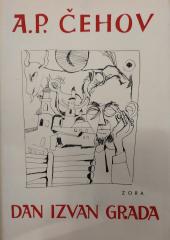
Sabrana djela A. P. Čehova #4: Dan izvan grada
Četvrti tom Čehovljevih dela sadrži novele i humoreske, koje su uglavnom napisane 1886. godine. I dalje pišući za honorar u dnevnim novinama, Čehov je često morao da podredi svoju umetnost razumljivosti i jeftinom humoru zbog ukusa čitalačke publike.
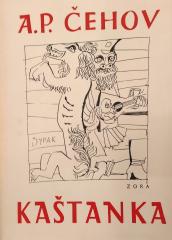
Sabrana djela A. P. Čehova #5: Kaštanka i druge novele
Peta po redu knjiga djela ovog velikog klasika ruskog humora sadrži uglavnom njegov književni rad iz godine 1887. Čitalac će u ovom svesku naći niz već proslavljenih i poznatih, kao i velik broj dosad neobjavljenih novelističkih radova.
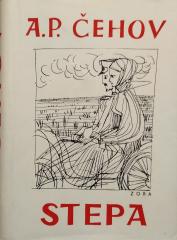
Sabrana djela A. P. Čehova #6: Stepa i druge novele
U ovoj knjizi nalazi se sadržan pripovjednički rad velikog ruskog književnika, A. P. Čehova iz godina 1888—1892. U njoj nećemo više naići na male humoreske, kojima je »Antoša Čehonte« blistavo započeo svoju karijeru u humorističkim časopisima.
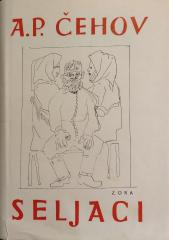
Sabrana djela A. P. Čehova #7: Seljaci i druge novele
Zwischen 1892, als „Das Fragment“, die erste Novelle dieses Buches, veröffentlicht wurde, und „Der Bauer“ (1897) und „Auf den Karren“ (1897) schuf A. P. Tschechow eine Reihe weiterer künstlerisch gelungener Beobachtungen der Gesellschaft, in der er lebte.