Zakon ćutanja

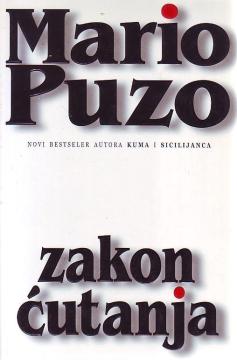
Zakon ćutanja

Mario Puzo

An exciting crime novel about Don Raymond Aprile, who retires from the mafia, but after his murder, his adopted son Astorre initiates revenge and exposes high corruption following the code of silence — omertà.

Omertà (published in 2000) is the final novel by Mario Puzo—released posthumously—and the concluding installment of his celebrated Mafia trilogy, which also includes The Godfather and The Last Don. Named after the traditional Sicilian code of silence that forbids cooperation with the authorities, the novel delivers a tense, multi-layered story about loyalty, power, revenge, and the erosion of old moral principles in the modern world. The protagonist is Astorre Viola, the adopted son and devoted protégé of the aging Mafia boss Don Raymond Aprile. Don Aprile decides to leave the criminal underworld for good to ensure a comfortable, legitimate life and social standing for his biological children. However, shortly after retiring, he is brutally murdered on the steps of a church. Despite the presence of FBI agents and state-of-the-art surveillance, the killer remains unidentified; looming in the background of the crime is a web of high-level corruption linking international cartels, crooked bankers, and state institutions themselves. Astorre takes it upon himself to avenge his foster father, relying on the ruthless rules of omertà and his own cunning. With his signature storytelling style, Puzo contrasts the traditional Mafia underworld with modern financial and political crime, illustrating how contemporary corporations and banks have adopted methods that would put even the old Mafia godfathers to shame. The novel offers a dynamic plot filled with twists, intriguing characters, and an unflinching look at the dark side of the American Dream.

Naslov originala
Omerta
Prevod
Mina Krsmanović
Dimenzije
20 x 13 cm
Broj strana
287
Izdavač
Laguna, Beograd, 2001.
 
Latinica. Broširano.
Jezik: Srpski.

Jedan primerak je u ponudi

Stanje:Korišćeno, u odličnom stanju
Dodato u korpu!
 

Zanima Vas i neka druga knjiga? Možete pretražiti našu ponudu pomoću pretrage ili prelistati knjige po kategorijama.

Možda će Vas zanimati i ovi naslovi

Srećni hodočasnik

Srećni hodočasnik

Mario Puzo

Eine bewegende Familiensaga über Lucia Santa, eine italienische Einwanderin in New York, die sich entschlossen Armut, Familientragödien und den Herausforderungen der Kindererziehung in einer harten neuen Welt stellt.

Veljko Vlahović, 1987.
Srpski. Latinica. Broširano.
5,32
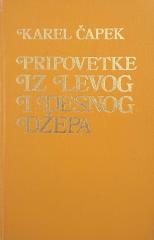
Pripovetke iz levog i desnog džepa

Pripovetke iz levog i desnog džepa

Karel Čapek

Diese Geschichten befassen sich mit unterschiedlichen Themen, wobei es in den meisten Fällen um unterschiedliche Straftaten geht, von Betrug und Wahrsagerei bis hin zu Ehebetrug und Mord.

Jugoslavijapublik, 1980.
Hrvatski. Latinica. Tvrde korice.
5,223,92
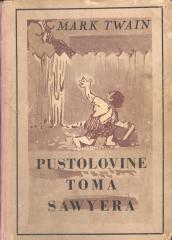
Pustolovine Toma Sawyera

Pustolovine Toma Sawyera

Mark Twain

Pustolovine Toma Sawyera prvi je pravi realistički dječji roman, ne samo u američkoj nego i u svjetskoj dječjoj književnosti. Najpoznatije Twainovo djelo i omiljeno dječje štivo u kojem je pisac opisao svoje dječačke doživljaje.

Nakladni zavod Hrvatske, 1947.
Hrvatski. Latinica. Tvrde korice.
16,32
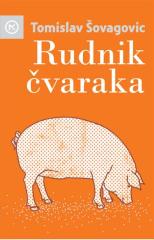
Rudnik čvaraka

Rudnik čvaraka

Tomislav Šovagović

Debitantsko djelo hrvatskog pisca Tomislava Šovagovića, nagrađeno nagradom Josip i Ivan Kozarac 2012., posveta je Slavoniji – regiji djetinjstva koju autor, rođen u Dalmaciji, promatra stranim, ali nježnim očima.

Mozaik knjiga, 20112.
Hrvatski. Latinica. Broširano.
11,56
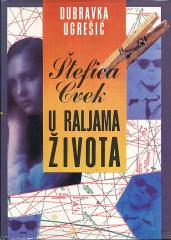
Štefica Cvek u raljama života

Štefica Cvek u raljama života

Dubravka Ugrešić

Volite li “ljubiće"? Što god mislili o njima, uživat ćete u ovom vrhunskom pastišu trivijalnih ljubavnih romana.

Mladinska knjiga, 1990.
Hrvatski. Latinica. Tvrde korice s omotom.
4,94
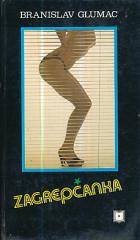
Zagrepčanka

Zagrepčanka

Branislav Glumac

Branislav Glumac 1974. objavljuje roman bez točaka i zareza, kao neumoljivi tok misli mlade buntovnice. Objavljen u socijalističkoj Jugoslaviji, djelo je izazvalo skandal svojom otvorenošću i postalo klasik o generacijskom buntu.

IROS, 1986.
Hrvatski. Latinica. Tvrde korice.
8,24