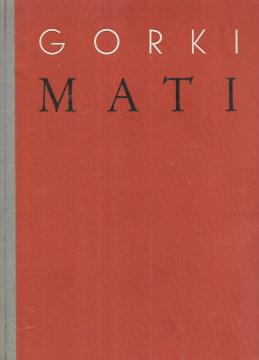
Mati
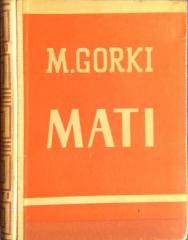
Maxim Gorkis Roman „Mutter“ erschien 1906 und ist eines der Schlüsselwerke des russischen Sozialrealismus. Das Werk schildert das Erwachen der Arbeiterklasse in Russland anhand von Charakteren und Ereignissen, die soziale Ungerechtigkeiten und die Notwend
Der Roman spielt in einem Arbeiterviertel in einem Industrievorort. Die Hauptfigur ist Pelagija Nilovna Vlasova, Witwe eines Arbeiters und Mutter eines jungen Mannes, Pavel Vlasov. Pelagia wird als bescheidene, unsichere und ignorante Frau dargestellt, die ein Leben voller Leid führt und die Armut und Unhöflichkeit ihres verstorbenen Mannes ertragen muss. Ihr Leben ändert sich jedoch, als ihr Sohn Pavel beginnt, sich an der revolutionären Bewegung zu beteiligen.
Pavel schließt sich einer Gruppe von Arbeitern an, die geheime Treffen organisieren und revolutionäre Literatur unter den Arbeitern verbreiten. Obwohl Pelagia zunächst verwirrt und besorgt über Pauls Aktivitäten ist, wird sie sich allmählich der sozialen Ungerechtigkeiten bewusst, von denen die Arbeiter betroffen sind. Durch die Interaktion mit Revolutionären und die Zeugin von Ungerechtigkeiten beginnt sie, die Ideen zu verstehen, die Pavel und seine Kameraden vertreten.
Im Verlauf der Geschichte übernimmt Pelagia eine immer aktivere Rolle bei revolutionären Aktivitäten. Ihre Rolle als „Mutter“ symbolisiert eine mütterliche Haltung gegenüber der gesamten Arbeiterbewegung. Sie wird zur Botin, die verbotene Literatur übermittelt und sich an der Organisation von Arbeiterversammlungen beteiligt, wobei sie ihr eigenes Leben riskiert.
Der Roman gipfelt in der Verhaftung Pavlos während einer Protestkundgebung. Trotz des Verlustes ihres Sohnes kämpft Pelagia weiter und symbolisiert den unerschütterlichen Geist der Revolution. Durch ihre Figur zeigt Gorki die Verwandlung einer gewöhnlichen Frau in eine starke und entschlossene Revolutionärin und betont die Kraft des Wandels und der Solidarität unter den Arbeitern.
„Mati“ ist eines der wichtigsten Werke, das die Literatur des sozialen Realismus geprägt hat, und bleibt eine kraftvolle Darstellung des Kampfes für Gerechtigkeit und Menschenrechte.
Jedan primerak je u ponudi
- Spuren von Patina