Polemike i članci
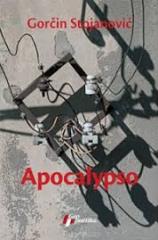
Apocalypso
Apocalypso is a collection of prose texts (short stories, essays, feuilletons, lyrical fragments) by the famous Serbian director, screenwriter and critic Gorčin Stojanović (b. 1966).

Članci i polemike 1: Ratne teme
A collection of Krleža's journalistic texts, commentaries and analyses written during and immediately after World War I, important for understanding his intellectual development and the basis for his later works.

Članci i polemike 2: Sa uredničkog stola
The collection Articles and Polemics 2: From the Editorial Desk includes essays, criticisms, and polemical texts written during Krleža's engagement as editor of various literary magazines, such as Književna republika and Pečate.
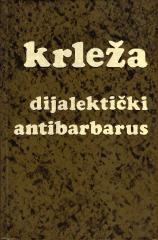
Dijalektički antibarbarus
Krleža's most famous polemical text, in which he sharply attacks dogmatic vulgar Marxism and bad tendentious literature within the left, defending artistic freedom and intellectual autonomy. The culmination of the conflict on the literary left.
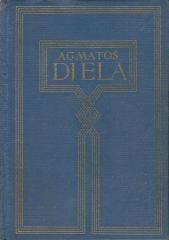
Djala 9: Pečalba - Kaprisi i feljtoni
Book of Works 9: Pečalba – Caprices and Feuilletons is a collection of caprices, feuilletons and satirical writings with sharp criticism of society, irony, humor and Matoš's bohemian, polemical spirit.
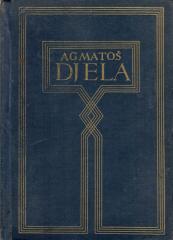
Djela X: Dragi naši savremenici: Polemike, epigrami i satire
The tenth volume of Matoš's works brings together polemics, epigrams, and satires in which the author sharply comments on his contemporaries, society, literature, and politics, confirming his sharp critical style.
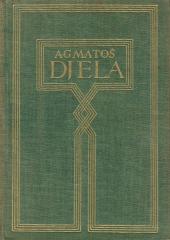
Djela XIII: Theatralia: Scenski pokušaji, članci o kazalištu i koncertima, dio prvi (1897.–1909.)
The thirteenth volume of the first edition of Matoš's collected works brings together dramatic attempts and theater and concert criticism from the period 1897–1909, revealing Matoš as an insightful theater critic.
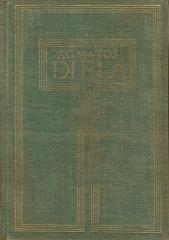
Djela XIV: Theatralia: Scenski pokušaji, članci o kazalištu i koncertima, dio drugi (1910.–1913.)
The fourteenth volume of the first edition of Matoš's collected works brings theater and concert reviews from the period 1910–1913, confirming Matoš as a top aesthetician and cultural critic.