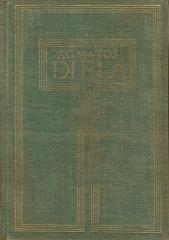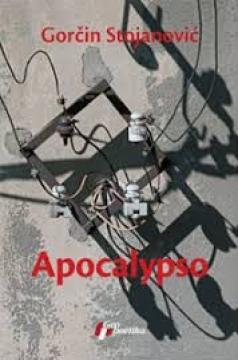
Apocalypso
Apocalypso je zbirka proznih tekstova (kratke priče, eseji, feljtoni, lirski fragmenti) poznatog srpskog reditelja, scenarista i kritičara Gorčina Stojanovića (r. 1966.).
Tekstovi su pisani između 1997. i proljeća 2000. godine; prvi je inspiriran drugim albumom grupe Haustor, a posljednji završava duhom osiromašenog Beograda (usporedba s osiromašenim uranijumom). Treći dio knjige ranije nije objavljen.
Naslov spaja "apokalipsu" i "kalipso" – kraj svijeta s plesom, ironičnim ritmom i nostalgičnim egzilom. Stojanović piše o tranzicijskoj Srbiji 90-ih: ratnim sjenama, kulturnom siromaštvu, urbanom raspadu, medijskoj histeriji, umjetničkoj nemoći i osobnim lomovima. Jezik je precizan, ciničan, poetski nabijen – mješavina crnog humora, ironije i melankolije.
Zbirka je intimni portret generacije koja je živjela kraj jednog svijeta: Beograd kao lavirint vremena, gdje se prošlost i sadašnjost sudaraju u kaosu. Tekstovi su povezani emocijama – od muzike i filma do svakodnevnog apsurda – i čitaju se kao lirski dnevnik intelektualca u ratu i poraću.
Cijenjena kao jedna od najautentičnijih proza o 90-ima u Srbiji – ne patetična, već lucidna i gorka, s dozom rock'n'roll energije i filmskog ritma. Knjiga je rijetka u antikvarijatima, ali ostaje važan glas o "apokaliptičnom plesu" tranzicije.
One copy is available