Apocalypso

Apocalypso

Gorčin Stojanović

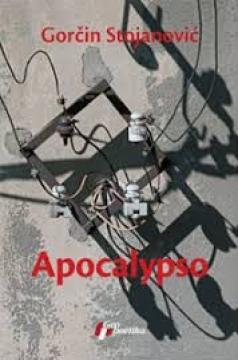
Apocalypso is a collection of prose texts (short stories, essays, feuilletons, lyrical fragments) by the famous Serbian director, screenwriter and critic Gorčin Stojanović (b. 1966).

The texts were written between 1997 and the spring of 2000; the first was inspired by the second album of the band Haustor, and the last ends with the spirit of depleted Belgrade (a comparison with depleted uranium). The third part of the book has not been published before.

The title combines "apocalypse" and "calypso" - the end of the world with dance, ironic rhythm and nostalgic exile. Stojanović writes about transitional Serbia in the 90s: the shadows of war, cultural poverty, urban decay, media hysteria, artistic impotence and personal fractures. The language is precise, cynical, poetically charged - a mixture of black humor, irony and melancholy.

The collection is an intimate portrait of a generation that lived at the end of a world: Belgrade as a labyrinth of time, where the past and the present collide in chaos. The texts are connected by emotions - from music and film to everyday absurdity - and read like a lyrical diary of an intellectual in the war and the post-war period.

Regarded as one of the most authentic prose pieces about the 90s in Serbia – not pathetic, but lucid and bitter, with a touch of rock'n'roll energy and cinematic rhythm. The book is rare in second-hand stores, but remains an important voice about the "apocalyptic dance" of transition.

Urednik
Jasna Novakov Sibinović
Ilustracije
Jovan Čekić
Dimenzije
20 x 13 cm
Broj strana
119
Nakladnik
Geopoetika, Beograd, 2007.
 
Latinica. Broširano.
Jezik: Srpski.

Jedan primjerak je u ponudi

Stanje:Nekorišteno
Dodano u košaricu!
 

Zanima Vas i neka druga knjiga? Možete pretražiti našu ponudu pomoću tražilice ili prelistati knjige po kategorijama.

Možda će Vas zanimati i ovi naslovi

Kako su rušili HAZU?

Kako su rušili HAZU?

Josip Pečarić

The book How did they demolish HAZU? by Josip Pečarić, published in 2006, analyzes internal conflicts within the Croatian Academy of Sciences and Arts (HAZU).

Vlastita naklada, 2006.
Hrvatski. Latinica. Broširano.
5,62
Mesiću i Račane, zašto tako?

Mesiću i Račane, zašto tako?

Nenad Ivanković

Behind the title of the book are the author's considerations, arguments and concrete documents with which he tries to prove the hidden motives of Mesić and Račan's actions in the case of Gotovina, then in the case of Bobetko, and the Homeland War in gener

Tiva, 2002.
Hrvatski. Latinica. Broširano.
4,78
Sabrana djela : Knjiga X

Sabrana djela : Knjiga X

Svetozar Ćorović
Svjetlost, 1967.
Hrvatski. Latinica. Tvrde korice s ovitkom.
7,24
Članci i polemike 2: Sa uredničkog stola

Članci i polemike 2: Sa uredničkog stola

Miroslav Krleža

The collection Articles and Polemics 2: From the Editorial Desk includes essays, criticisms, and polemical texts written during Krleža's engagement as editor of various literary magazines, such as Književna republika and Pečate.

NIŠRO Oslobođenje, 1983.
Hrvatski. Latinica. Tvrde korice.
5,98
Noviji pisci hrvatski, knjiga 8.: Izabrani članci

Noviji pisci hrvatski, knjiga 8.: Izabrani članci

Bogoslav Šulek
Jugoslavenska akademija znanosti i umjetnosti (JAZU), 1952.
Hrvatski. Latinica. Tvrde korice s ovitkom.
6,12
Za svest

Za svest

Nolit, 1977.
Srpski. Latinica. Broširano.
5,26 - 5,36