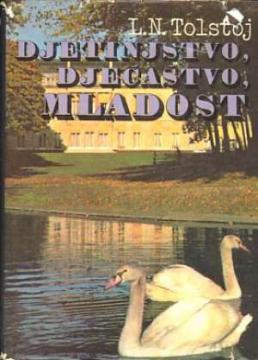
Djetinjstvo / Dječaštvo / Mladost
Lav Nikolajevič Tolstoj, u svojoj autobiografskoj trilogiji Djetinjstvo (1852.), Dječaštvo (1854.) i Mladost (1857.), prati odrastanje Nikolaja Irtenjeva, mladog plemića čije iskustvo odražava Tolstoyevu vlastitu mladost.
U Djetinjstvu, desetogodišnji Nikolaj doživljava svijet kroz oči djeteta, očaran ljepotom seoskog imanja i toplinom obitelji. Smrt majke donosi prvu veliku tugu, budeći svijest o prolaznosti. Njegovi odnosi s učiteljem Karlom Ivanovičem i prijateljima otkrivaju prve lekcije o ljubavi, gubitku i društvenim razlikama. U Dječaštvu, Nikolaj se suočava s adolescencijom, preseljenjem u Moskvu i novim izazovima. Osjeća nesigurnost, promišlja o vjeri i društvenim normama, dok se bori s unutarnjim sukobima i prvim romantičnim čežnjama. Mladost prati Nikolaja na sveučilištu, gdje se suočava s razočaranjima u obrazovanju, društvenim ambicijama i moralnim dvojicama. Pokušava pronaći svoje mjesto u svijetu, balansirajući između idealizma i ispraznosti aristokratskog života. Kroz introspekciju, Nikolaj shvaća važnost autentičnosti, postavljajući temelje za buduće duhovne potrage.
Trilogija je Tolstojev književni prvijenac, koji ga je odmah etablirao kao velikog pisca. Inspirirana vlastitim životom, djela uvode njegov realistički stil i psihološku dubinu, koji će kasnije kulminirati u Ratu i miru i Ani Karenjini. Fokus na unutarnje sukobe, moralna pitanja i društvenu kritiku najavljuje teme koje će dominirati njegovim kasnijim radovima. Za razliku od kasnijih moralističkih djela poput Uskrsnuća, trilogija je intimna i lišena didaktike, nudeći univerzalnu priču o odrastanju. Ova djela pokazuju Tolstojevu sposobnost da uhvati suptilnosti ljudskih emocija, postavljajući temelje za njegov status majstora psihološkog realizma.
Trilogija je dočekana s oduševljenjem u Rusiji, hvaleći Tolstojevu svježinu i osjetljivost. Kritičari su cijenili realistične opise i emotivnu dubinu, iako su neki kasnije smatrali da djela blijede u usporedbi s njegovim epskim romanima. Danas se trilogija smatra klasikom, dragocjenim zbog uvida u Tolstojev rani razvoj i univerzalnosti teme odrastanja.
Jedan primjerak je u ponudi