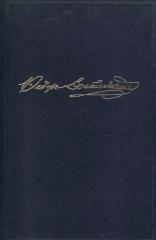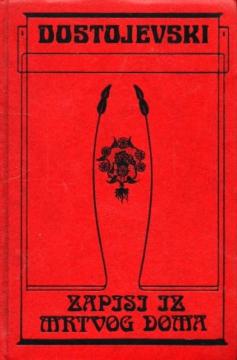
Zapisi iz mrtvog doma / Zimske bilješke o ljetnim dojmovima / Zapisi iz podzemlja
Rijetka knjiga

Zapisi iz mrtvog doma / Zimske bilješke o ljetnim dojmovima / Zapisi iz podzemlja

Fjodor Mihajlovič Dostojevski

Notes from a Dead Home (1860-1862) - a novel based on the author's imprisonment in Siberia. Winter Notes on Summer Impressions (1863) - an essay from a trip to Europe in 1862. Notes from the Underworld (1864) is a philosophical novel about a man torn by i

  • Notes from the Dead House: The narrator, Alexander Petrovich Goryanchikov, is convicted of murder and describes life in the camp. Through a series of vignettes, Dostoevsky depicts the harshness of prison life, but also the complexity of human nature – from cruelty to compassion. The inmates, of different classes and characters, reveal universal themes of suffering, hope and resistance. The novel explores moral issues, freedom and strength of spirit, emphasizing how a person can preserve dignity in the worst conditions.

  • Winter Notes on Summer Impressions: A travelogue-philosophical essay in which Dostoevsky, through a satirical tone, criticizes Western society, especially French utopian socialism and materialism. It emphasizes Russian spiritual identity in contrast to Western rationalism, reflecting on freedom, religion and social ideals. The work is introspective, with an emphasis on the conflict between individualism and collectivism, and Dostoevsky's skepticism towards Western models of progress.

  • Notes from the Underground: a philosophical novel in which an "underground man", an unnamed narrator living in isolation, conducts an internal monologue. In the first part, he criticizes rationalism, determinism, and utilitarianism, defending free will even if it leads to self-destruction. The second part, "On Wet Snow", depicts his past encounters, including humiliating interactions with friends and a tragic relationship with the prostitute Liza, whom he manipulates to assert his power. The work explores existential anxiety, alienation, and the paradoxes of human consciousness.

All three works reflect Dostoevsky's obsession with moral, psychological, and spiritual questions, laying the foundations for existentialism and a deep analysis of the human soul.

Prijevod
Vladimir Gerić
Urednik
Jakša Kušan
Naslovnica
Boris Dogan
Dimenzije
21 x 14 cm
Broj strana
434
Nakladnik
Znanje, Zagreb, 1982.
 
Latinica. Tvrde korice.
Jezik: Hrvatski.

Jedan primjerak je u ponudi

Stanje:Korišteno, u odličnom stanju
Dodano u košaricu!
 

Zanima Vas i neka druga knjiga? Možete pretražiti našu ponudu pomoću tražilice ili prelistati knjige po kategorijama.

Možda će Vas zanimati i ovi naslovi

Braća Karamazovi

Braća Karamazovi

Fjodor Mihajlovič Dostojevski

The Brothers Karamazov is the last novel of the Russian genius Fyodor Mikhailovich Dostoyevsky, which he completed less than three months before his death.

Globus, 2004.
Hrvatski. Latinica. Tvrde korice.
12,38 - 12,56
Ujakov san / Poniženi i uvrijeđeni

Ujakov san / Poniženi i uvrijeđeni

Fjodor Mihajlovič Dostojevski

Both works reflect Dostoevsky's early phase, with a focus on social criticism, psychological analysis and moral dilemmas, foreshadowing the themes of his later masterpieces.

Znanje, 1982.
Hrvatski. Latinica. Tvrde korice.
13,26
Utvrde i sjene

Utvrde i sjene

Elizabeth Chadwick

England, 1148... Ten-year-old Brunin FitzWarin is a timid boy who is exposed to the scorn and contempt of his brothers and authoritative grandmother, the heiress of the highest nobility.

Znanje, 2014.
Hrvatski. Latinica. Broširano.
3,96
Severnjak

Severnjak

Zoran Jakšić
Everest media, 2008.
Srpski. Latinica. Broširano.
5,22
Mimesis

Mimesis

Andrej Nikolaidis

Mimesis is a drastic portrayal of Montenegro as a country of retarded discourses, and after several published excerpts of the manuscript, it has already initiated public condemnation in the writer's country.

Durieux, 2003.
Hrvatski. Latinica. Broširano.
6,62
Buntovni grad

Buntovni grad

Luis Amado Blanco
Zora, 1975.
Hrvatski. Latinica. Tvrde korice s ovitkom.
9,50