Anatole France
Titel im Angebot
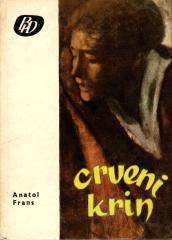
Crveni krin
Die rote Lilie (1894) ist nicht nur eine Geschichte verbotener Leidenschaft – sie ist ein subtiles, ironisches Fresko einer Welt, in der Liebe, Politik und Kunst in einem dünnen, fast transparenten Netz aus Konventionen und Begierden miteinander verwoben
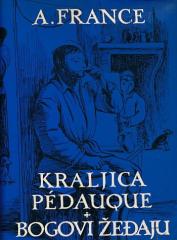
Kraljica Pedauque, Bogovi žeđaju
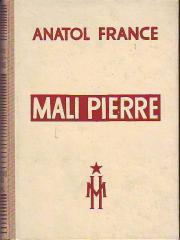
Mali Pierre
Anatole France’s novel *Little Pierre* (1918) is an autobiographical work in which the author, through gentle irony and reminiscence, brings to life the idyllic and instructive moments of his own childhood in Paris.
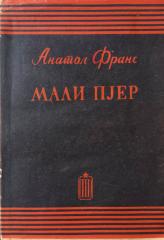
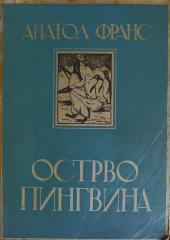
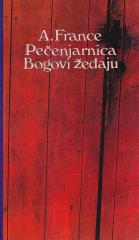
Pečenjarnica / Bogovi žeđaju
In the novels The Oven and Gods Thirst, Anatole France shows the path from reason and humanism to fanaticism, criticizing social prejudices, dogmatism and abuse of power.
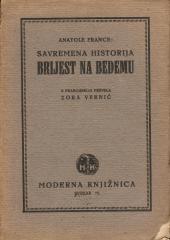
Savremena historija: Brijest na bedemu
The first part of the famous tetralogy Contemporary History, published by French Nobel Prize winner Anatole France in 1897. A classic work of European realism and satire from the turn of the century.
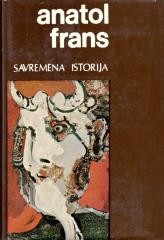
Savremena istorija
France's tetralogy, written through the lens of Professor Bergeret, dissects French society at the end of the 19th century. Through politics, intrigue, and the Dreyfus affair, hypocrisy, religious dogmatism, and provincial mentality are exposed.
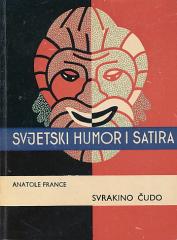
Svrakino čudo
In the work, the author talks in a witty and satirical way about human credulity, superstition and the tendency to declare ordinary events to be miracles.
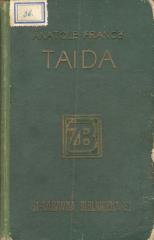
Taida: roman iz aleksandrijskih vremena
The novel Taida, published in 1890, is one of the most famous works by French Nobel Prize winner Anatole France. The work is inspired by the legend of Saint Taida of Egypt, a 4th-century courtesan who converted to Christianity.