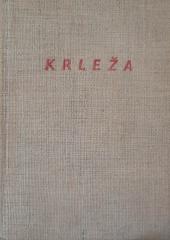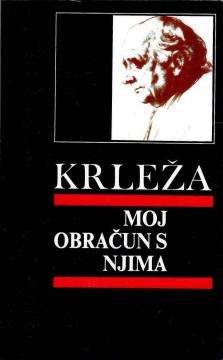
Moj obračun s njima
Ein Buch der Polemik, in dem Krleža zahlreiche Fälle der Konfrontation mit seinen großen Kritikern vorbringt, sowohl in literarischer als auch in politischer Hinsicht und in anderen Aspekten seiner Aktivitäten.
Miroslav Krležas „Mein Kampf mit ihnen“ zählt zu den schärfsten und bekanntesten Streitschriften der kroatischen Literatur. Der 1932 veröffentlichte Text stellt eine Art intellektuelles Manifest dar, in dem Krleža öffentlich mit den literarischen und ideologischen Kreisen des damaligen Kroatiens bricht. Im Zentrum steht eine scharfe Kritik an jenen, die – so der Autor – die Freiheit des Geistes einschränken und jegliches Denken ersticken, das von Dogmen und nationaler Selbstzufriedenheit abweicht. Krleža prangert den oberflächlichen Patriotismus, den Provinzialismus und die geistige Trägheit seiner Zeitgenossen an und prangert ihre moralische Schwäche und ihren Opportunismus an.
Der Text ist gefühlvoll, aber von außergewöhnlicher rhetorischer Kraft und stilistischer Virtuosität verfasst. Krleža verwendet lange, prägnante Sätze, die oft die Grenzen einer politischen Streitschrift überschreiten und sich zu einem philosophischen und literarischen Bekenntnis über die gesellschaftliche Stellung des Autors entwickeln. Er lehnt jede Form der Unterwerfung unter Obrigkeit, Volk oder Kirche ab und betont die Pflicht des Künstlers, frei zu denken, ungeachtet der Konsequenzen. In diesem Sinne geht „Mein Kampf mit ihnen“ über persönliche Polemik hinaus und wird zu einem universellen Aufruf zu moralischer Konsequenz und intellektuellem Mut.
Krležas Kampf spiegelt die umfassendere soziale Krise der Zwischenkriegszeit wider – den Konflikt zwischen Tradition und Moderne, provinzieller Kultur und europäischer Spiritualität. Der Autor vertritt die Auffassung, dass Literatur nicht bloß „nationale Unterhaltung“ sein kann, sondern ein Mittel zur kritischen Auseinandersetzung mit der Identität und den Werten eines Volkes. Seine Botschaft ist auch heute noch relevant: Ein wahrer Intellektueller akzeptiert weder Schweigen noch Kompromisse, sondern verteidigt das Recht von Denken und Kunst auf Freiheit, Rebellion und Authentizität.
Angeboten wird ein Exemplar