Miroslav Krleža
Miroslav Krleža (7. Juli 1893 – 29. Dezember 1981) war einer der bedeutendsten kroatischen Schriftsteller des 20. Jahrhunderts – ein Dichter, Romanautor, Dramatiker, Essayist und Enzyklopädist. Er wurde in Zagreb geboren und besuchte die österreichisch-ungarische Militärakademie, widmete sich jedoch schnell der Literatur und intellektuellen Aktivitäten. Er war ein scharfer Kritiker sozialer Ungerechtigkeit, Kleinbürgertums und politischen Opportunismus, die einen Großteil seiner Literatur kennzeichneten.
Sein Werk umfasst ein breites Spektrum an Genres. Bemerkenswert sind der Romanzyklus über die Glembays (Die Glembays, In Agonie, Leda) und der epische Roman Die Rückkehr von Filip Latinovicz (1932). Er schrieb auch Essays, Tagebücher, Kritiken, enzyklopädische Artikel und Gedichte, beispielsweise die aus der Sammlung Pan.
Krležas Stil zeichnet sich durch einen reichen Wortschatz, komplexe Sätze, intellektuelle Tiefe und ironische Distanz aus. Er war eine Schlüsselfigur der kroatischen Kultur und einer der Gründer des Lexikografischen Instituts (heute Lexikografisches Institut Miroslav Krleža). Trotz politischem Druck blieb er seiner intellektuellen Autonomie treu.
Krležas Erbe ist aus dem kroatischen Kanon nicht wegzudenken und unverzichtbar für das Verständnis der Moderne und des historischen Schicksals Kroatiens und Mitteleuropas.
Titel im Angebot
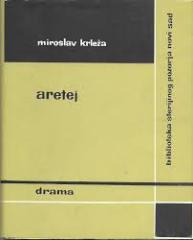
Aretej: drama
Krležina drama s obimnim pogovorom Branka Hećimovića, biobibliografskim prilozima Slavka Batušića i s fotografijama scena "Areteja" u izvođenju Narodnog pozorišta, Beograd.
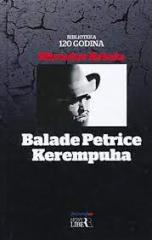
Balade Petrice Kerempuha
Najveće pjesničko ostvarenje Miroslava Krleže i jedno od najvažnijih djela hrvatske književnosti. Balade spajaju satiru, ironiju i lirsko-folklorne tonove u osudi nasilja i gluposti vlasti kroz stoljeća.
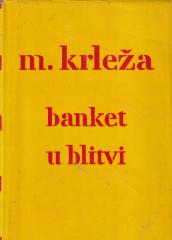
Banket u blitvi: Roman u tri knjige
Radnja je smještena u Blitvu, fiktivnu zemlju na sjeveroistoku Europe, koja je nakon stoljeća tuđinske vlasti i političke nestabilnosti postala samostalna država pod diktatorskom vlašću okrutnog poručnika Barutanskog.
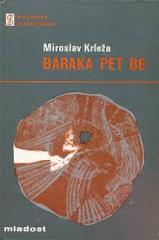
Baraka Pet Be i druge novele
Zbirka "Baraka Pet Be i druge novele" donosi izbor Krležinih antiratnih novela iz razdoblja 1916–1920-ih, s fokusom na besmisao Prvog svjetskog rata, patnju domobrana i propast Austro-Ugarske.
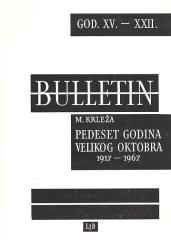
Bulletin - Pedeset godina Velikog oktobra 1917. - 1967.
U delu „Pedeset godina Velikog oktobra 1917–1967“, Miroslav Krleža piše o Oktobarskoj revoluciji iz perspektive pisca koji joj je ideološki blizak, ali koji se nikada nije slagao sa njenim pretvaranjem u sistem krutih istina.

Članci i polemike 1: Ratne teme
Zbirka Krležinih novinarskih tekstova, komentara i analiza napisanih tokom i neposredno posle Prvog svetskog rata, važnih za razumevanje njegovog intelektualnog razvoja i osnova za njegova kasnija dela.
Članci i polemike 2: Sa uredničkog stola
Zbirka Članci i polemike 2: Sa redakcijskog stola obuhvata eseje, kritike i polemičke tekstove napisane tokom Krležinog angažmana kao urednika raznih književnih časopisa, kao što su Književna republika i Pečate.
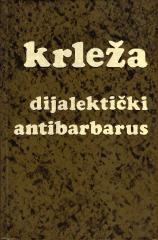
Dijalektički antibarbarus
Krležin najpoznatiji polemički tekst, u kome oštro napada dogmatski vulgarni marksizam i lošu tendencioznu književnost unutar levice, braneći umetničku slobodu i intelektualnu autonomiju. Vrhunac sukoba na književnoj levici.
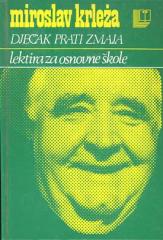
Dječak prati zmaja
„Dečak prati zmaja” je knjiga koja nas vodi na fantastično putovanje i podstiče da razmišljamo o životu i svetu na drugačiji način.
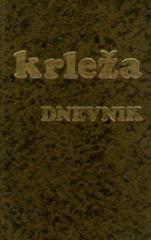
Dnevnik 1: Dnevnik 1914 - 17 (Davni dani I)
Dnevnik iz 1914–17. beleži Krležine zapise iz Prvog svetskog rata: lične dileme, pacifizam, sukob sa militarizmom Monarhije i intelektualno sazrevanje u godinama sloma starog sveta.