Miroslav Krleža
Miroslav Krleža (July 7, 1893 – December 29, 1981) was one of the most important Croatian writers of the 20th century – a poet, novelist, playwright, essayist and encyclopedist. He was born in Zagreb, educated at the Austro-Hungarian Military Academy, but quickly devoted himself to literature and intellectual activity. He was a strong critic of social injustice, petty bourgeoisie and political opportunism, which characterized much of his literature.
His work covers a wide range of genres. The most notable are the novel series about the Glembays (Gospoda Glembayev, U agoniji, Leda), and the epic novel The Return of Filip Latinovicz (1932). He also wrote essays, diaries, criticism, encyclopedic articles and poems such as those from the collection Pan.
Krleža's style is characterized by a rich vocabulary, complex sentences, intellectual depth and ironic distancing. He was a key figure in Croatian culture and one of the founders of the Lexicographic Institute (today LZ Miroslav Krleža). Despite political pressures, he remained faithful to intellectual autonomy.
Krleža's legacy is indispensable in the Croatian canon and indispensable in understanding modernity and the historical destiny of Croatia and Central Europe.
Titles in our offer
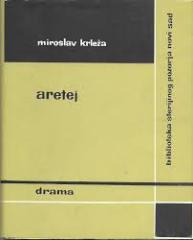
Aretej: drama
Krležina drama sa opširnim pogovorom Branka Hećimovića, biobibliografskim prilozima Slavka Batušića i fotografijama scena iz „Areteje“ u izvođenju Narodnog pozorišta Beograd.
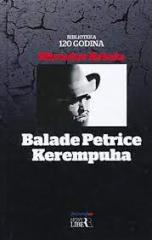
Balade Petrice Kerempuha
Najveće pesničko dostignuće Miroslava Krleže i jedno od najvažnijih dela hrvatske književnosti. Balade kombinuju satiru, ironiju i lirsko-folklorne tonove u osudi nasilja i gluposti vlasti kroz vekove.
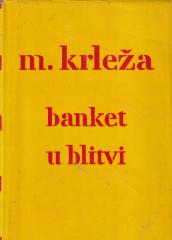
Banket u blitvi: Roman u tri knjige
Radnja je smeštena u Blitvi, fiktivnoj zemlji na severoistoku Evrope, koja je posle vekova tuđinske vladavine i političke nestabilnosti postala nezavisna država pod diktatorskom vlašću okrutnog poručnika Barutanskog.
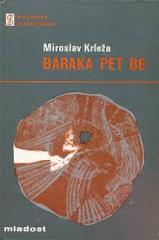
Baraka Pet Be i druge novele
Zbirka „Baraka Pet Be i druge novele“ donosi izbor Krležinih antiratnih romana iz perioda 1916–1920-ih, fokusirajući se na besmislenost Prvog svetskog rata, patnje domobranstva i pad Austro-Ugarske.
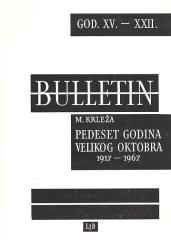
Bulletin - Pedeset godina Velikog oktobra 1917. - 1967.
U delu „Pedeset godina Velikog oktobra 1917–1967“, Miroslav Krleža piše o Oktobarskoj revoluciji iz perspektive pisca koji joj je ideološki blizak, ali koji se nikada nije slagao sa njenim pretvaranjem u sistem krutih istina.

Članci i polemike 1: Ratne teme
Zbirka Krležinih novinarskih tekstova, komentara i analiza napisanih tokom i neposredno posle Prvog svetskog rata, važnih za razumevanje njegovog intelektualnog razvoja i osnova za njegova kasnija dela.
Članci i polemike 2: Sa uredničkog stola
Zbirka Članci i polemike 2: Sa redakcijskog stola obuhvata eseje, kritike i polemičke tekstove napisane tokom Krležinog angažmana kao urednika raznih književnih časopisa, kao što su Književna republika i Pečate.
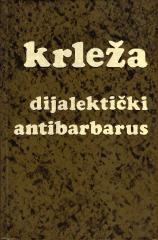
Dijalektički antibarbarus
Krležin najpoznatiji polemički tekst u kojem oštro napada dogmatski vulgarni marksizam i lošu tendencioznu literaturu unutar ljevice, braneći umjetničku slobodu i intelektualnu autonomiju. Kulminacija sukoba na književnoj ljevici.
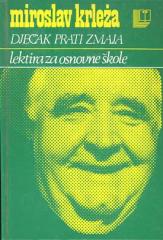
Dječak prati zmaja
“Dječak prati zmaja” je knjiga koja nas vodi na fantastično putovanje i potiče nas da razmišljamo o životu i svijetu na drugačiji način.
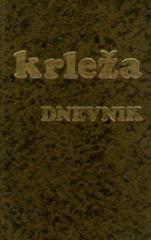
Dnevnik 1: Dnevnik 1914 - 17 (Davni dani I)
Dnevnik 1914–17 bilježi Krležine zapise iz Prvoga svjetskog rata: osobne dileme, pacifizam, sukob s militarizmom Monarhije te intelektualno sazrijevanje u godinama raspada staroga svijeta.