Tajna lijepe Cvijete
Ein psychologischer Roman über die Ehe zweier gegensätzlicher Seelen. Die Ehe beginnt unglücklich aufgrund von Missverständnissen und unterschiedlichen Erwartungen. Durch Leid und Opfer finden die beiden allmählich wahre Liebe und Harmonie.
Die Handlung dreht sich um ein Ehepaar. Der Protagonist, ein Idealist und sensibler Mensch, verliebt sich in die außergewöhnlich schöne Cvijeta. Sie ist körperlich perfekt, wirkt aber anfangs oberflächlich, eitel und emotional verschlossen. Die Ehe, die von außen ideal erscheint, offenbart schnell eine tiefe Kluft: Er sucht spirituelle Nähe, Verständnis und wahre Liebe, während sie in einer Welt äußerlicher Eindrücke, gesellschaftlichen Status und flüchtiger Vergnügungen lebt.
Zeyer schildert meisterhaft die psychologischen Spannungen – das schmerzende Schweigen, das Missverständnis, das den Alltag vergiftet, das Leiden der Einsamkeit als Paar. Der Roman zweier Seelen, die einander lieben, aber nicht verstehen, wird zur Studie einer Ehekrise und ihrer Überwindung. Aus einer unglücklichen Ehe entwickelt sich durch Prüfungen, Selbstaufopferung, Reifung und tiefes gegenseitiges Verständnis allmählich eine glückliche. Der Schlüssel liegt im „Geheimnis“ der schönen Cvijeta – der Entdeckung ihrer inneren Schönheit, die hinter ihrem äußeren Glanz verborgen ist.
Das Werk zählt zu Zeyers neoromantischer Prosa: Es betont Emotionen, innere Konflikte, die moralische Entwicklung der Figuren und den Glauben an die transformative Kraft von Liebe und Leid. Der Autor vermeidet billige Sentimentalität und gestaltet die Geschichte mit subtilen psychologischen Porträts und feinsinnigen Beschreibungen des Innenlebens. Der Stil ist poetisch, mit einer reichen Sprache und lyrischen Passagen, typisch für Zeyer, der sich oft von exotischen Kulturen, Religionen und mittelalterlichen Legenden inspirieren ließ, hier aber das zeitgenössische bürgerliche Milieu und universelle menschliche Beziehungen in den Mittelpunkt stellt.
Im Kontext von Zeyers Gesamtwerk (bekannt für Werke wie Jan Maria Plojhar, Tři legendy o krucifiksu oder seine Theaterstücke) zeichnet sich dieser Roman durch seine Intimität und die Auseinandersetzung mit Ehethemen aus. Für kroatische Leser der 1920er-Jahre repräsentierte er hochwertige europäische Literatur – romantisch, aber auch realistisch in der Darstellung menschlicher Schwächen und Tugenden.
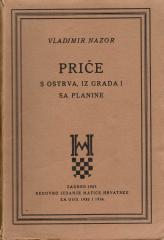
Angeboten wird ein Exemplar