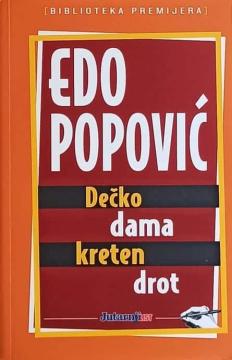
Dečko, dama, kreten, drot
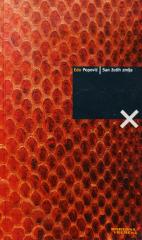
Boy, Lady, Jerk, Drot (2005), der letzte Teil der Trilogie, die mit Tequila and Apaurin Concert (2002) begann und mit Blue Bar Dancer (2004) fortgesetzt wurde, ist eine satirische und melancholische Geschichte über das kriminelle Milieu des heutigen Kroat
Durch Monologe und Schnitte verflechten sich die Schicksale der vier Hauptfiguren – des titelgebenden „Jungen“, der „Dame“, der „Kretna“ und der „Drota“ – und symbolisieren die tragikomische kroatische Realität: Verlierer, Verrat und die Unfähigkeit, sich an neue Zeiten anzupassen. Inspiriert von Kriminalgeschichten und Filmen wie „Taxi Driver“ kritisiert der Roman Mafiamuster, mediale Sensationsgier und emotionale Leere.
Junge (Niko, ehemals BBB Niko): Ein ehemaliger Krimineller auf Bewährung nach einer Gefängnisstrafe in Lepoglava. Seine desorientierte Rückkehr in den Alltag offenbart Veränderungen in Freundschaften. Ein ehemaliger Idealist aus den 1980er-Jahren, heute ein Loser-Beobachter, wird mit dem Verrat seines Freundes Darko konfrontiert, der zum Zuhälter geworden ist. Seine Monologe sind voller Nostalgie für die verlorene Jugend und moralischer Dilemmata.
Lady (Maša, Ukrainerin, Tänzerin aus der Blue Bar): Eine Prostituierte, die aus einem Nachtclub flieht und ihre Identität ändert. Ihre melancholische Geschichte offenbart Träume von einem besseren Leben, die Liebe zu Fola und die Tragik unüberlegter Entscheidungen. Mit ihrer Figur zeigt Popović ein seltenes Gespür für weibliche Verletzlichkeit in einer von Gewalt geprägten Männerwelt.
Der Idiot (Darko): Nikos ehemaliger Freund, heute Mafia-Schauspieler und Zuhälter, symbolisiert eine völlige Transformation und den Verrat an alten Werten. Von der gegenseitigen Unterstützung De Niros zur Rolle des Antagonisten endet sein Schicksal in einem blutigen Showdown, der den Verlust von Freundschaften verdeutlicht.
Der Polizist (Mladen Folo, Leiter der Abteilung für Kulturterrorismus): Als Intellektueller bei der Polizei kämpft er gegen die Intrigen seiner Vorgesetzten und die Manipulation der Medien. Verliebt in Maša, wird er zu ihrem Beschützer und Antihelden und liquidiert Darko aus Liebe und Abscheu. Seine als kollektiv dargestellte Aktion hinterlässt ihn in einer Leere, in der er von der Literatur träumt, die seine Geschichte unsterblich machen wird.
Die Handlung kulminiert in der Blauen Bar: Nikos Konfrontation mit Darko, Mashas Flucht und Fols Racheakt verschmelzen zu einem chaotischen Showdown. Der Roman endet mit einer Reflexion über den Unterschied zwischen Leben und Literatur und feiert die vielschichtigen Charaktere, die im Netz des Schicksals gefangen sind. Popović verbindet Humor, Ironie und Lyrik, kritisiert gesellschaftliche Veränderungen und feiert die „schönen Verlierer“ der Achtziger.
Dva primjerka su u ponudi