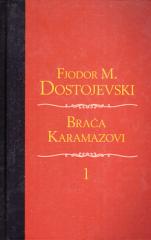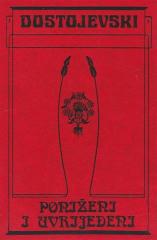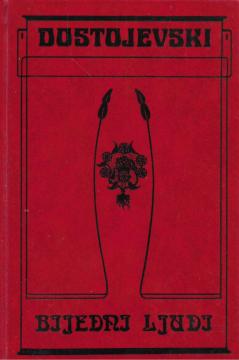
Bijedni ljudi / Dvojnik / Roman u devet pisama / Gospodin Proharčin / Gazdarica / Polzunkov / Slabo srce / Pošteni lopov / Božićno drvce i svadba / Tuđa žena i muž pod posteljom
The early works demonstrate Dostoevsky's interest in psychology, social criticism, and moral dilemmas, laying the foundation for later masterpieces. At the end of the book, an appendix by Leonid Grossman: The most important dates in the life and work of F
Poor Folk (1846), his first novel, is an epistolary story about Makar Devushkin, a poor clerk, and Varvara Dobroselovoy, a damsel in distress. Through their letters, Dostoevsky depicts their tender bond, but also the despair of poverty. Makar's kindness contrasts with the cruelty of society, and the tragic ending emphasizes the powerlessness of the "little man".
The Double (1846) is a novella about Golyadkin, a clerk who goes mad upon meeting his doppelganger, identical but self-confident and treacherous. The doppelganger takes over his life, driving Golyadkin to paranoia and collapse. The work explores alienation, identity, and psychological crisis, anticipating existentialism.
A Novel in Nine Letters (1847) is a satirical story about two swindlers, Pyotr and Ivan, who outsmart each other through letters, planning scams. Dostoevsky mocks greed and hypocrisy, ending with an ironic ending where both lose.
Mr. Prokhorchin (1846) depicts a stingy clerk named Semyon who lives in poverty, hiding a secret fortune. After his departure, something happens, revealing his obsession with money. The novel criticizes fear and dehumanization in bureaucracy.
The Landlady (1847) is a dark novella following Ordionov, who falls in love with Katerina, a woman influenced by the old man Murin. Her inner conflict and Ordionov's infatuation lead to a tragic outcome. The work explores passion, dominance, and spiritual mystery.
Polzunkov (1848) is a humorous story about a clerk named Osip who entertains society by making up lies about his bravery. Through irony, Dostoevsky reveals his suffering and need for acceptance.
The Weak Heart (1848) depicts Vasya Shumkov, a clerk who goes mad with happiness after a promotion and marriage. His inability to bear joy leads to a tragic ending, exploring the fragility of the human psyche.
The Honest Thief (1848) is a story about Yemelyan, a drunkard who steals but shows sincerity and remorse. His kindness in suffering emphasizes Dostoevsky's faith in humanity.
The Christmas Tree and the Wedding (1848) is a satire about Julian, a rich man who, at a children's party, plans to marry a girl for her dowry. The work criticizes selfishness and social corruption.
Another's Wife and Husband Under the Bed (1848) is a comic story about a jealous Ivan who follows his wife and gets himself into absurd situations, hiding under the bed. Dostoevsky mocks jealousy and social conventions.
Angeboten wird ein Exemplar