Miljenko Jergović
Titles in our offer
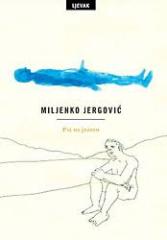
Psi na jezeru
Roman istražuje kako priče spasavaju od zaborava, ali i kako skrivaju istinu o ljudskoj ranjivosti. Kratak, ali slojevit, kombinuje stvarnost sa fantazijom, podsećajući nas da je svaki susret moguća ljubav ili propast.
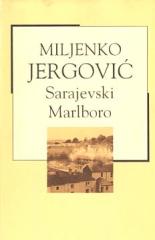
Sarajevski Marlboro
Zbirka od 29 kratkih priča koje prikazuju svakodnevni život stanovnika Sarajeva tokom rata. Autorka bez patetike prikazuje ratnu stvarnost, fokusirajući se na sitne detalje koji odražavaju ljudsku otpornost i složenost života u ekstremnim uslovima.

Sarajevski Marlboro / Karivani / Druge priče, 1992–1996
Pored ponovljenih izdanja "Sarajevskog marlbora" i "Karivana", knjiga sadrži i novi ciklus priča ovog autora. Ove priče slikovito oslikavaju likove, „male“ ljude, svedoke „velike“ istorije, i naizgled beznačajne, ali za njih ključne i važne situacije.
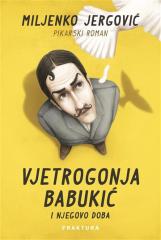
Vjetrogonja Babukić i njegovo doba
Savremeni pikarski roman, nastavak „Herkula“, prati avanture Vjetrogonje Babukića – skitnice, odmetnika i antiheroja bez reputacije – kroz haotično doba devedesetih godina 20. veka.

Voetbal, engelen, oorlog
Een bloemlezing uit het Kroatische fictieve proza tussen 1990 en 2010.