Lav N. Tolstoj
Leo Nikolajewitsch Tolstoi, einer der bedeutendsten russischen und internationalen Schriftsteller, wurde am 9. September 1828 auf dem Gut Jasnaja Poljana in eine wohlhabende Adelsfamilie geboren. Nach dem Tod seiner Eltern wuchs er unter der Obhut von Verwandten auf. Er studierte Orientalistik und Jura an der Universität Kasan, schloss das Studium jedoch nicht ab. Er beschloss, auf dem Familiengut zu bleiben und sich der autodidaktischen Bildung sowie dem Studium der Philosophie, Literatur und Naturwissenschaften zu widmen.
1851 trat er gemeinsam mit seinem Bruder in den Krieg im Kaukasus ein, wo er seine literarische Tätigkeit begann. In dieser Zeit entstanden die von seinem Militärleben inspirierten, realistischen Erzählungen „Kindheit“ (1852), „Junge“ (1854) und „Jugend“ (1856) – ein dreiteiliger autobiografischer Zyklus, der ihn als neue Stimme der russischen Literatur etablierte. Er nahm am Krimkrieg teil und beschrieb seine Erlebnisse auf dem Schlachtfeld später in den „Sewastopoler Erzählungen“ (1855–1856).
Nach seiner Rückkehr aus dem Militärdienst 1856 bereiste er Europa, wo er mit den Ideen westlicher Bildung und Demokratie in Berührung kam. Zurück in Russland gründete er in Jasnaja Poljana eine Schule für Dorfkinder und entwickelte seine eigenen pädagogischen Ideen. Er veröffentlichte die Textsammlung „Alphabet“ (1872) und die Zeitschrift „Jasnaja Poljana Lesen“.
Literarisch erreichte Tolstoi mit den monumentalen Romanen „Krieg und Frieden“ (1865–1869) und „Anna Karenina“ (1873–1877) seinen Höhepunkt. Ersterer ist ein episches Fresko der Napoleonischen Kriege und des russischen Adels, in dem Geschichte, Philosophie und Psychologie zu einer Synthese menschlicher Erfahrung verschmelzen. Anna Karenina ist ein psychologischer Roman über Liebe, Moral und gesellschaftliche Normen.
In seinen späteren Jahren durchlebte Tolstoi eine tiefe spirituelle Krise und wandte sich einer moralischen und religiösen Erneuerung zu. Er schrieb die Bekenntnisse (1882) und darauf moralische und philosophische Schriften, in denen er ein einfaches Leben, Gewaltlosigkeit und die Abkehr vom Materialismus predigte (z. B. in „Was ich glaube“ und „Das Reich Gottes in euch“). Sein Werk beeinflusste Gandhi und die pazifistischen Bewegungen des 20. Jahrhunderts maßgeblich.
Zu den erzählerischen Werken dieser Zeit zählen die Meisterwerke „Der Tod des Iwan Iljitsch“ (1886), „Die Kreutzersonate“ (1889), „Vater Sergius“ und „Die Auferstehung“ (1899), in denen er sich mit den Themen Schuld, Erlösung und dem Sinn des Lebens auseinandersetzte.
Aufgrund von Konflikten mit der russisch-orthodoxen Kirche wurde Tolstoi 1901 exkommuniziert. Er starb am 20. November 1910 am Bahnhof von Astapowo, nachdem er das Familiengut auf der Suche nach innerem Frieden verlassen hatte.
Sein umfangreiches Werk umfasst mehr als 90 Schriften: Romane, Kurzgeschichten, Essays, Tagebücher, Sachbücher, pädagogische Texte und Theaterstücke. Tolstoi blieb ein Symbol für moralisches Gewissen und universellen Humanismus, und sein Werk basiert auf der Überzeugung, dass der wahre Wert des Lebens in Liebe, Arbeit und spiritueller Freiheit liegt.
Titles in our offer
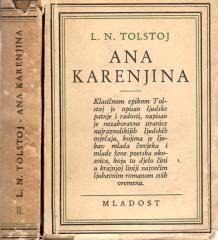
Ana Karenjina
„Anna Karenina“ (1875–1877) ist Leo Tolstois größter und komplexester Roman, der oft als einer der größten Romane der Weltliteratur angesehen wird und für die Tiefe seiner Charaktere und philosophischen Fragen gelobt wird.
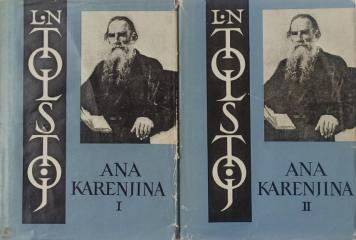
Ana Karenjina
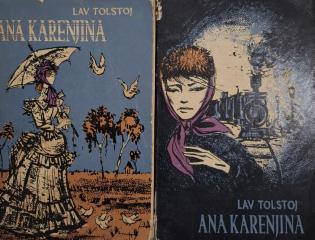
Ana Karenjina 1-2
Der Roman „Anna Karenina“ wurde zur größten Liebesgeschichte aller Zeiten erklärt und sein Autor, Graf Leo Nikolajewitsch Tolstoi, zum größten russischen Schriftsteller.
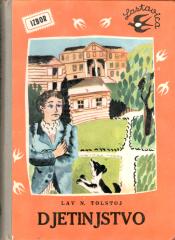
Djetinjstvo
Childhood (1852) is the first book of an autobiographical trilogy (with Adolescence and Youth), where Tolstoy explores the world of childhood through the eyes of a ten-year-old boy, Nikolinka Irtenjev – innocence, joys, sorrows and first traumas.
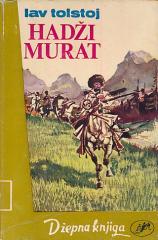
Hadži Murat
Hadži Murat is a novella written by Leo Tolstoy from 1896 to 1904 and published posthumously in 1912 (although in its entirety only in 1917).
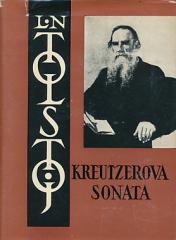
Izabrana djela 10: Mećava / Albert / Tri smrti / Otac Sergije / Gospodar i sluga / Kreutzerova sonata / Poslije plesa / Hadži-Murat
Lav N. Tolstoj, majstor književnosti, u svojim novelama Mećava, Albert, Tri smrti, Otac Sergije, Gospodar i sluga, Kreutzerova sonata, Poslije plesa i Hadži-Murat istražuje duboke teme ljudske egzistencije, morala i društva.
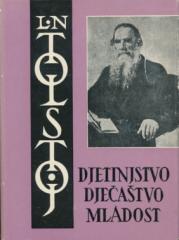
Izabrana djela 11: Djetinjstvo / Dječaštvo / Mladost
Lav Nikolajevič Tolstoj, u svojoj autobiografskoj trilogiji Djetinjstvo (1852.), Dječaštvo (1854.) i Mladost (1857.), prati odrastanje Nikolaja Irtenjeva, mladog plemića čije iskustvo odražava Tolstoyevu vlastitu mladost.
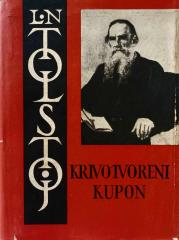
Izabrana djela 12: Krivotvoreni kupon i druge pripovijesti
Die Geschichten „Morgen eines Adligen“, „Aus den Aufzeichnungen des Fürsten Nechljudow“, „Notizen des Markierers“, „Die Waage“, „Zwei Husaren“, „Der Gefangene im Kaukasus“, „Der gefälschte Coupon“, „Die Todesnotizen des alten Fjodor Kusmitsch“ und „Warum?
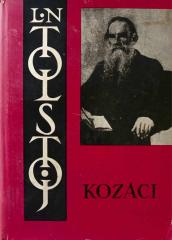
Izabrana djela 8: Kavkaske pripovijetke / Sevastopoljske pripovijetke / Kozaci
Der achte Band der Ausgewählten Werke von Leo N. Tolstoi vereint die Romane Kosaken, Kaukasische Erzählungen und Sewastopoler Erzählungen, Werke, die von den Erfahrungen des Autors während seines Militärdienstes im Kaukasus und im Krimkrieg inspiriert wur
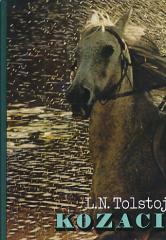
Kozaci
Die Kosaken (1863) ist ein Schlüsselwerk in Tolstois Frühwerk und schlägt eine Brücke zwischen seinen autobiografischen Werken und seinen späteren Epen. Inspiriert von Tolstois eigenen Erlebnissen im Kaukasus, legt das Werk den Grundstein für seine Zivili