Lav N. Tolstoj
Lav Nikolajevič Tolstoj, jedan od najznačajnijih ruskih i svjetskih književnika, rođen je 9. rujna 1828. na imanju Jasna Poljana u bogatoj plemićkoj obitelji. Nakon smrti roditelja, odrastao je pod skrbništvom rodbine. Studirao je orijentalne jezike i pravo na Sveučilištu u Kazanju, ali studij nije dovršio. Odlučio je živjeti na obiteljskom imanju, posvetivši se samoobrazovanju i proučavanju filozofije, književnosti i prirodnih znanosti.
Godine 1851. pridružio se bratu u vojsci na Kavkazu, gdje započinje njegov književni rad. U tom razdoblju nastaju realistične pripovijetke nadahnute vojničkim životom: Djetinjstvo (1852.), Dječaštvo (1854.) i Mladost (1856.) – trodijelni autobiografski ciklus koji ga afirmira kao nov glas ruske književnosti. Sudjelovao je u Krimskom ratu, a iskustva s bojišta kasnije je opisao u prozi Sevastopoljske priče (1855.–1856.).
Po povratku iz vojske 1856. godine putuje po Europi, gdje dolazi u dodir s idejama zapadnog odgoja i demokracije. Po povratku u Rusiju osniva školu za seosku djecu u Jasnoj Poljani i razvija vlastite pedagoške ideje, objavivši zbirku tekstova Abeceda (1872.) i časopis Jasnopoljansko čitanje.
U književnom smislu, Tolstoj dostiže vrhunac monumentalnim romanima „Rat i mir“ (1865.–1869.) i „Ana Karenjina“ (1873.–1877.). Prvi je epska freska Napoleonskih ratova i ruske aristokracije, u kojem se povijest, filozofija i psihologija spajaju u sintezu ljudskog iskustva. Ana Karenjina je psihološki roman o ljubavi, moralu i društvenim normama.
U kasnijem razdoblju Tolstoj prolazi kroz duboku duhovnu krizu i okreće se moralnoj i vjerskoj obnovi. Piše „Ispovijest“ (1882.), zatim moralne i filozofske spise u kojima propovijeda jednostavan život, nenasilje i odricanje od materijalizma (U što vjerujem, Kraljevstvo Božje u vama). Njegov rad snažno utječe na Gandhija i pacifističke pokrete 20. stoljeća.
U pripovjednom stvaralaštvu tog razdoblja nastaju remek-djela „Smrt Ivana Iljiča“ (1886.), Krojcerova sonata (1889.), Otac Sergij i Uskrsnuće (1899.), u kojima se bavi temama krivnje, iskupljenja i smisla života.
Zbog sukoba s Ruskom pravoslavnom Crkvom, Tolstoj je 1901. izopćen iz crkve. Umro je 20. studenoga 1910. na željezničkoj postaji Astapovo, nakon što je napustio obiteljsko imanje u potrazi za duhovnim mirom.
Njegova bogata bibliografija obuhvaća više od 90 djela: romane, pripovijetke, eseje, dnevnike, publicistiku, pedagoške tekstove i drame. Tolstoj je ostao simbol moralne savjesti i univerzalnog humanizma, a njegovo stvaralaštvo temelji se na ideji da je istinska vrijednost života u ljubavi, radu i duhovnoj slobodi.
Naslovi u ponudi
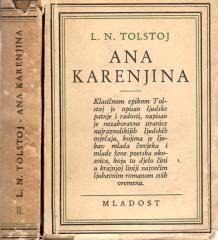
Ana Karenjina
„Ana Karenjina“ (1875–1877) je najveći i najsloženiji roman Lava Tolstoja, često smatran jednim od najvećih romana u svetskoj književnosti, hvaljen zbog dubine svojih likova i filozofskih pitanja.
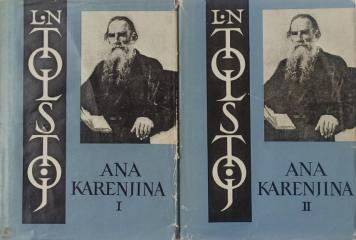
Ana Karenjina
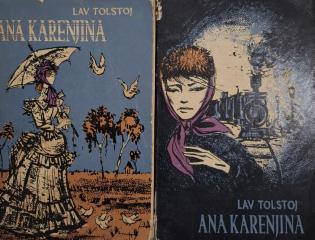
Ana Karenjina 1-2
Der Roman „Anna Karenina“ wurde zur größten Liebesgeschichte aller Zeiten erklärt und sein Autor, Graf Leo Nikolajewitsch Tolstoi, zum größten russischen Schriftsteller.
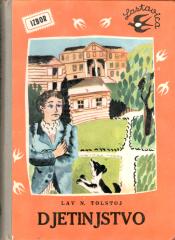
Djetinjstvo
Childhood (1852) is the first book of an autobiographical trilogy (with Adolescence and Youth), where Tolstoy explores the world of childhood through the eyes of a ten-year-old boy, Nikolinka Irtenjev – innocence, joys, sorrows and first traumas.
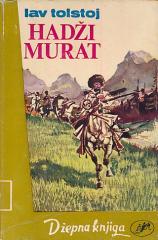
Hadži Murat
Hadži Murat is a novella written by Leo Tolstoy from 1896 to 1904 and published posthumously in 1912 (although in its entirety only in 1917).
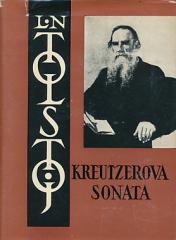
Izabrana djela 10: Mećava / Albert / Tri smrti / Otac Sergije / Gospodar i sluga / Kreutzerova sonata / Poslije plesa / Hadži-Murat
Leo N. Tolstoy, a master of literature, explores deep themes of human existence, morality, and society in his novels The Blizzard, Albert, Three Deaths, Father Sergius, The Master and the Servant, After the Dance, and Hadji Murad.
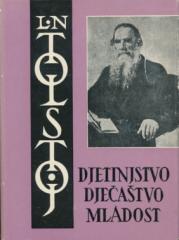
Izabrana djela 11: Djetinjstvo / Dječaštvo / Mladost
Leo Nikolayevich Tolstoy, in his autobiographical trilogy Childhood (1852), Boyhood (1854), and Youth (1857), follows the growing up of Nikolai Irtenyev, a young nobleman whose experience mirrors Tolstoy's own youth.
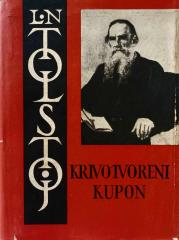
Izabrana djela 12: Krivotvoreni kupon i druge pripovijesti
The stories Morning of a Nobleman, From the Notes of Prince Nekhludov, Marker's Notes, The Scale, Two Hussars, The Prisoner of the Caucasus, The Forged Coupon, The Death Notes of Old Man Fyodor Kuzmich, and Why? explore themes of morality, society, and sp
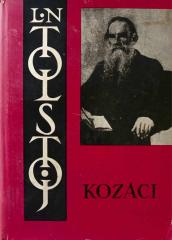
Izabrana djela 8: Kavkaske pripovijetke / Sevastopoljske pripovijetke / Kozaci
The eighth volume of the Selected Works of Leo N. Tolstoy brings together the novel Cossacks, Caucasian Tales, and Sevastopol Tales, works inspired by the author's experiences from military service in the Caucasus and the Crimean War.
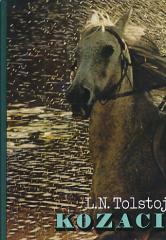
Kozaci
The Cossacks (1863) is a key work in Tolstoy's early work, a bridge between his autobiographical works and his later epics. Inspired by Tolstoy's own experiences in the Caucasus, the work lays the foundation for his critique of civilization.