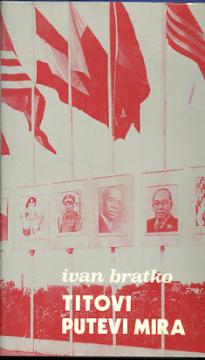
Titovi putevi mira
One copy is available

One copy is available
Are you interested in another book? You can search the offer using our search engine or browse books by category.
The book analyzes how conflicting historical narratives about the suffering and mass emigration of Italians from Istria and Rijeka developed in Croatia and Italy after World War II (1943–1956), debunking myths and encouraging an empathetic approach to the
The book explores political relations in Yugoslavia, shows the internal dynamics of the government and offers an insight into the dilemmas and decisions of the time.
"Lost Orientation" by Radovan Radonjić, published in 1985, represents a philosophical and sociological reflection on the then Yugoslav society and the crisis of socialist identity.
The author explores why Tito remains a popular symbol of stability, social security and independence, despite critical views of his regime. The book maps the cultural, political and everyday manifestations of "Titostalgia".
The book depicts the development of a Bosnian bey family that, throughout the 19th and 20th centuries, transformed from a landowning family into a modern bourgeois family, reflecting broader social changes in Bosnia and Herzegovina.
This is the first book that comprehensively addresses the phenomenon of Croatian students and their role in the Croatian Spring. Students, along with the reform wing of the League of Communists and Matica Hrvatska, were one of the three pillars of the Cro