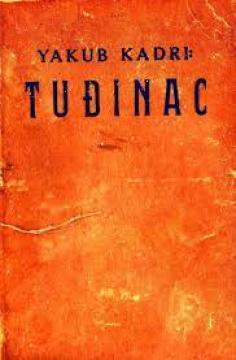
Tuđinac
Roman Tuđinac (Yaban, 1932) djelo je društveno angažiranog književnika Yakupa Kadrija Karaosmanoǧlua koje progovara o turskom Ratu za neovisnost i nestabilnosti turskog jedinstva 1918. godine.
Radnja romana smještena je u vrijeme kada je vojska prevođena Mustafom Kemal pašom nastojala osloboditi Anadoliju od stranih okupatora. Glavni lik romana, Ahmet Celal umirovljeni je časnik i ratni invalid koji se, razočaran potporom istanbulske elite britanskim okupatorima i osmanskom sultanu, seli na anadolsko selo. Uvidjevši koliko su seljaci konzervativni, neskloni promjenama, neobrazovani te poput povodljive gomile bez vlastitih ideala i stavova Ahmet ubrzo shvaća da se nikada neće moći s njima poistovjetiti i sve više očajava zbog njihove indiferentnosti po pitanju nacionalne borbe i nedostatka patriotizma.
U očima seljaka Ahmet je tuđinac kao i drugi njemu slični pripadnici obrazovane elite. Njegovi ideali o naprednom, sekularnom i nacionalno osviještenom društvu strane su i tuđe anadolskim seljacima što glavnog junaka čini sve udaljenijim od vlastitog naroda. Ta otuđenost najbolje se može zamijetiti na samom početku romana u kojemu autor opisuje područje oko Ankare nakon pobjede oslobodilačke vojske nad Grcima u Bitci kod Sakarye kada izaslanstvo za vrijeme obilaska bojišta pronalazi dnevnik anonimna autora. Članovi izaslanstva pitaju seljake kome je dnevnik pripadao, a oni im odgovaraju da ne znaju i da ih nije briga jer je ta osoba među njima bila samo „tuđinac“.
Patnje glavnog lika koje se manifestiraju oprečnim emocijama poput suosjećanja, bijesa, tuge i nesretne ljubavi odraz su tadašnjeg beznadnog stanja turskog društva i svjedok loših uvjeta u kojima su se nacionalne snage borile protiv okupatora. Kako bi dodatno naglasio u kakvoj se „duhovnoj kaljuži“ nalazila Republika prvih deset godina svoga postojanja, autor prirodu opisuje prljavom i gnjilom, a gotovo svakom liku pripisuje neku vrstu tjelesnog defekta.
Iako se može činiti da je Karaosmanoǧlu kritiku uputio samo seljacima optužujući ih za lakovjernost, praznovjerje te nedostatak interesa za nacionalnu borbu, romanom Tuđinac obrušio se u prvom redu na turske intelektualce u kojima zbog kontinuiranog zanemarivanja sela vidi glavne krivce za zapušteno stanje perifernih krajeva države. Autor zaključuje da do većih promjena i istinske modernizacije neće doći ukoliko se mentalitet anadolskih seljaka ne promijeni, a u društvo ne usade nove vrijednosti poput kulture čitanja i pisanja.
Karaosmanoğlu ovim romanom ukazuje na brojne podjele i dihotomije unutar turskog društva ranog republikanskog perioda koje se posebno očituju u nerazumijevanju između obrazovanih i neobrazovanih, gradske elite i anadolskih seljaka te zapadnog i tradicionalnog muslimanskog svjetonazora. Utopijske ideje pomirbe islama s načelima moderne sekularne države, koje su neki od autorovih suvremenika gajili, činile su se neostvarivima Karaosmanoğluovim realpolitičkim uvjerenjima stoga je on rješenje problema nacionalnog, kulturalnog i religijskog identiteta Turaka pronalazio u kemalističkom idealu sekularne nacije.
Yakup Kadri Karaosmanoğlu (Kairo, 27. ožujka 1889 – Ankara, 13. prosinca 1974) jedan je od najistaknutijih turskih književnika republikanskog perioda. Rane godine djetinjstva i prvu naobrazbu stekao je u francuskoj školi u Kairu. Godine 1908. s obitelji seli u Istanbul. Isprva je bio pristalica književnog pokreta osnovanog nedugo nakon Mladoturske revolucije Fecr-i âti (Zora budućnosti), no kasnije je nastavio razvijati samostalnu književnu karijeru. Zbirka pripovijetki iz 1913. godine bila je Karaosmanoğluovo prvo objavljeno djelo. Neki od autorovih najpoznatijih romana su: Hüküm gecesi (Noć odluke, 1927), Sodom ve Gomore (Sodoma i Gomora, 1928) i Yaban (Tuđinac, 1932). U gotovo svim djelima autor čitatelju pruža uvid u politička i kulturna previranja društva svojega vremena. Osim književnim stvaralaštvom Karaosmanoğlu se bavio novinarstvom, politikom i diplomacijom.
One copy is available
- Nedostaje ovitak