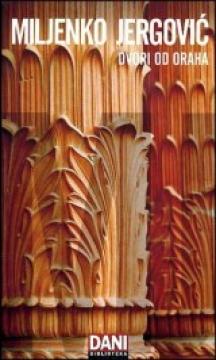
Dvori od oraha
"The Walnut Courts" (2003) is one of Miljenko Jergović's most famous and moving novels. This novel remains one of the most important literary testimonies about the 20th century in the Balkans and the cost of forgetting.
The narrator, a boy named Miljenko (the alter ego of the writer himself), returns in his mind to the Sarajevo neighborhood of Grbavica and the house of his grandmother Regina Delavale, born Jesenjin. The house is surrounded by a large walnut tree that casts shade over the yard and becomes the central symbol of the novel – the tree remembers, protects and bears witness to the history of a family and a city.
The story is fragmentary, composed of short chapters-vignettes that follow the fates of the Delavale family members from the beginning of the 20th century to the collapse of Yugoslavia. There are Regina and her husband Mladen, their children, grandchildren, neighbors – Jews, Muslims, Serbs, Croats – who live together in Sarajevo’s everyday life full of the scent of coffee, songs, quarrels and love. Major historical events pass through the children’s eyes: the arrival of Austria, the Kingdom, World War II, the Ustasha and Partisans, socialism, and finally the war in Bosnia and Herzegovina 1992–1995. which destroys the city and disperses the family.
Jergović does not write a classic historical novel; he records the smell of walnut leaves, the sound of an old radio, the taste of grandma's cakes and the quiet moments in which real history happens - the personal, intimate one. The walnut courtyards become a microcosm of Bosnia: a place where people of different faiths and nations shared the same bread, and then those same people, or their sons, started shooting at each other.
The novel is at once an elegy for a lost childhood, for a Sarajevo that no longer exists and for Yugoslavia as the idea of a common life. It is written in a language full of tenderness and irony, without pathos, but with a deep sadness that cannot be hidden.
One copy is available