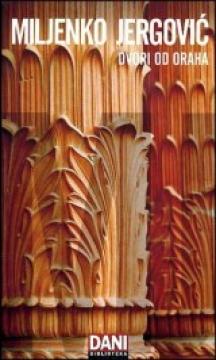
Dvori od oraha
Rijetka knjiga

Dvori od oraha

Miljenko Jergović

"The Walnut Courts" (2003) is one of Miljenko Jergović's most famous and moving novels. This novel remains one of the most important literary testimonies about the 20th century in the Balkans and the cost of forgetting.

The narrator, a boy named Miljenko (the alter ego of the writer himself), returns in his mind to the Sarajevo neighborhood of Grbavica and the house of his grandmother Regina Delavale, born Jesenjin. The house is surrounded by a large walnut tree that casts shade over the yard and becomes the central symbol of the novel – the tree remembers, protects and bears witness to the history of a family and a city.

The story is fragmentary, composed of short chapters-vignettes that follow the fates of the Delavale family members from the beginning of the 20th century to the collapse of Yugoslavia. There are Regina and her husband Mladen, their children, grandchildren, neighbors – Jews, Muslims, Serbs, Croats – who live together in Sarajevo’s everyday life full of the scent of coffee, songs, quarrels and love. Major historical events pass through the children’s eyes: the arrival of Austria, the Kingdom, World War II, the Ustasha and Partisans, socialism, and finally the war in Bosnia and Herzegovina 1992–1995. which destroys the city and disperses the family.

Jergović does not write a classic historical novel; he records the smell of walnut leaves, the sound of an old radio, the taste of grandma's cakes and the quiet moments in which real history happens - the personal, intimate one. The walnut courtyards become a microcosm of Bosnia: a place where people of different faiths and nations shared the same bread, and then those same people, or their sons, started shooting at each other.

The novel is at once an elegy for a lost childhood, for a Sarajevo that no longer exists and for Yugoslavia as the idea of ​​a common life. It is written in a language full of tenderness and irony, without pathos, but with a deep sadness that cannot be hidden.

Urednik
Ivan Lovrenović
Dimenzije
20 x 12 cm
Broj strana
453
Nakladnik
Dani, Sarajevo, 2005.
 
Latinica. Broširano.
Jezik: Hrvatski.
ISBN
978-9-95871-764-2

Jedan primjerak je u ponudi

Stanje:Korišteno, u odličnom stanju
Dodano u košaricu!
 

Zanima Vas i neka druga knjiga? Možete pretražiti našu ponudu pomoću tražilice ili prelistati knjige po kategorijama.

Možda će Vas zanimati i ovi naslovi

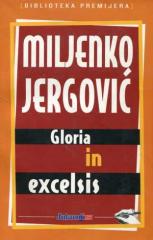
Gloria in excelsis

Gloria in excelsis

Miljenko Jergović
Jutarnji list, 2005.
Hrvatski. Latinica. Broširano.
4,56 - 4,98
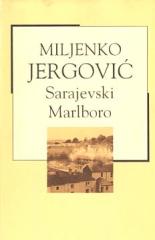
Sarajevski Marlboro

Sarajevski Marlboro

Miljenko Jergović

Zbirka 29 kratkih priča koje prikazuju svakodnevicu stanovnika Sarajeva tijekom rata. Autor oslikava ratnu stvarnost bez patetike, fokusirajući se na sitne detalje koji odražavaju ljudsku otpornost i složenost života u ekstremnim uvjetima.

Jutarnji list, 2004.
Hrvatski. Latinica. Tvrde korice s ovitkom.
4,88 - 4,98
Historijska čitanka 1

Historijska čitanka 1

Miljenko Jergović

Kultna knjiga Miljenka Jergovića – subjektivna povijest jednog vremena, zemlje i grada… Historijska čitanka zapravo je porodični album jer se čovjek uvijek familijarizira s ljudima u vremenu koje je prošlo i koje si želi objasniti.

V.B.Z, 2006.
Hrvatski. Latinica. Broširano.
6,224,98
Pustolovine Toma Sawyera

Pustolovine Toma Sawyera

Mark Twain

Pustolovine Toma Sawyera prvi je pravi realistički dječji roman, ne samo u američkoj nego i u svjetskoj dječjoj književnosti. Najpoznatije Twainovo djelo i omiljeno dječje štivo u kojem je pisac opisao svoje dječačke doživljaje.

Nakladni zavod Hrvatske, 1947.
Hrvatski. Latinica. Tvrde korice.
16,32
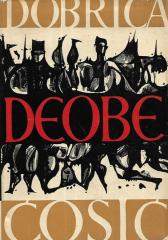
Deobe

Deobe

Dobrica Ćosić

Deobe su roman o tragičnoj podjeli Srba na četnike i partizane tijekom Drugog svjetskog rata. Nagrađen NIN-ovom nagradom, dio je šire epske trilogije, inspiriran Ćosićevim iskustvima i povijesnim dokumentima.

Prosveta, 1963.
Hrvatski. Latinica. Tvrde korice s ovitkom.
13,74
Pariški maraton : Knjiga pisanja (Pariz21. i 22. oktobar 2023)

Pariški maraton : Knjiga pisanja (Pariz21. i 22. oktobar 2023)

Krajem osamdesetih godina Damir Uzunović je otputovao u Pariz, ostao tamo nepunu godinu. Tada je imao dvadesetak godina i ta će egzilantska epizoda biti formativna za književnost koju će kasnije pisati.

Buybook, 2024.
Hrvatski. Latinica. Tvrde korice.
12,22