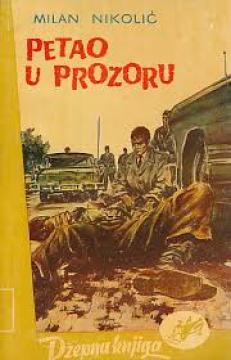
Petao u prozoru
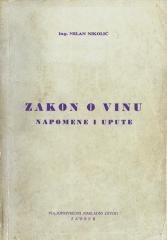
„Pijetao na prozoru“ (1960) je popularni detektivski i krimi roman hrvatskog pisca Milana Nikolića (Osijek, 1924 – Virovitica, 1970), jednog od najčitanijih autora posleratne zabavne proze u Jugoslaviji.
Radnja se odvija u posleratnoj Jugoslaviji (verovatno pedesetih godina 20. veka), gde se pojavljuje misteriozni stranac – navodni turista – koji privlači sumnju zbog neobičnih detalja. Ključni motiv je petao (ili slika petla) na prozoru kuće, koji služi kao signal, simbol ili trag iz prošlosti. Stranac se ispostavlja kao bivši pripadnik Gestapoa ili nacistički saradnik koji se krije ili vraća da nešto povrati iz ratnog vremena.
Nikolić gradi napetost kroz klasične elemente krimi romana: istragu (možda policije ili običnih ljudi), tajne veze, lažne identitete, sukobe interesa i moralne dileme. Roman ima avanturistički tok, sa elementima špijunaže i potere, a petao na prozoru postaje metafora za skrivenu opasnost ili prošlost koja ne prolazi. Delo je poznato po rekordnom tiražu za to vreme i inspirisalo je ideje za filmsku adaptaciju (npr. Saša Petrović je razmatrao film o gestapovskom turisti).
Stil je jednostavan, dinamičan, tipičan za Nikolićeve krimi romane (slični „Četiri mrtva šerifa“, „Karta za pakao“, „Izveštaji špijuna X“): brz tempo, neočekivani obrti, kritika fašizma i ratnih zločina kroz zabavnu formu. Nema duboke psihologije, već akcije i moralne poruke o pravdi i sećanju na prošlost. Roman je bio veoma popularan, preveden u duhu jugoslovenske zabavne književnosti 1950-ih-1960-ih, i nedavno ponovo objavljen (Vedis, 2025). Jedno od klasičnih dela domaće krimi fikcije tog perioda.
One copy is available