Tri mučenice: Tri izvorne pripovijesti
Tri mučenice Eugena Kumičića (1888.) naturalistički je roman o sudbini triju žena iz različitih društvenih slojeva koje stradavaju zbog ljubavi, društvenih normi i muške sebičnosti u građanskom Zagrebu.
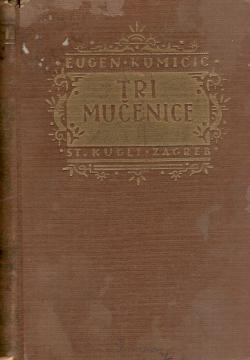
Tri mučenice: Tri izvorne pripovijesti (Saveznice - Neobični ljudi - Ubilo ga vino) jedno je od najznačajnijih djela Eugena Kumičića i vrhunac hrvatskog naturalizma. Riječ je o zbirci od tri pripovijesti koje su kasnije objedinjene pod zajedničkim naslovom „Tri mučenice“, prvi put objavljenoj 1888. godine, a ovdje je riječ o izdanju iz 1933. (St. Kugli, Zagreb), u kojem je knjiga tiskana kao četvrti svezak Sabranih djela Eugena Kumičića.
Djelo prati živote triju žena – Jelke, Kate i Luce – koje pripadaju različitim društvenim krugovima, ali ih povezuje tragična sudbina. Kumičić kroz njihove priče oštro kritizira građansko društvo kasnog 19. stoljeća: licemjerje, klasne predrasude, dvostruka mjerila u seksualnoj etici i podređeni položaj žene.
Roman je napisan naturalističkim stilom: detaljno, ponekad okrutno realistično, s naglaskom na socijalnu sredinu, nasljednost i utjecaj okoline na pojedinca. Kumičić pokazuje snažan utjecaj francuskog naturalizma (posebno Émila Zole), ali s izraženim hrvatskim i zagrebačkim lokalnim kolorom. Tri mučenice smatra se jednim od najuspjelijih hrvatskih socijalno-kritičkih romana 19. stoljeća.
Izdanje St. Kugli iz 1933. sadrži tri ilustracije na posebnim tablama (ilustrator nije naveden). Knjiga je tiskana na kvalitetnom papiru, u tvrdim koricama, što je tipično za Kuglijeva izdanja.
One copy is available
- Mrlje na koricama
- Nedostaje ovitak