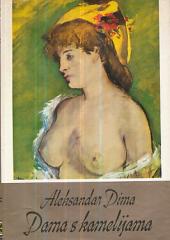
Die Kameliendame
Mladi Arman Dival zaljubljuje se u kurtizanu Margerit Gotje, poznatu kao Dama sa kamelijama. Njihovu strastvenu ljubav uništavaju društvene predrasude i stav žrtve.
Dama sa kamelijama (francuski: La Dame aux camélias, 1848) je najpoznatije delo Aleksandra Dima-sina i jedan od najvećih romana 19. veka. Delo je delimično autobiografsko – zasnovano je na autorovom odnosu sa kurtizanom Mari Diplesi. Roman je postigao ogroman uspeh, adaptiran je u pozorišnu predstavu (1852), a poslužio je i kao predložak za Verdijevu operu Travijata.
Priča je ispričana u prvom licu. Mladi Arman Dival, pripadnik buržoaske klase, zaljubljuje se u Margerit Gotje, poznatu parisku kurtizanu koja nosi kamelije kao svoj zaštitni znak. Margerit je bolesna (tuberkuloza), sofisticirana, lepa i inteligentna, ali živi na marginama društva. Armanova čista ljubav je dotiče, pa ona napušta svoj prethodni život i seli se sa njim na selo. Međutim, Armanov otac interveniše – plaši se skandala i uništenja budućnosti svog sina. Margerit žrtvuje sebe zbog ljubavi prema Armanu: vraća se svom starom životu i umire u siromaštvu i usamljenosti. Arman saznaje istinu tek nakon njene smrti.
Roman je klasična priča o zabranjenoj ljubavi, društvenim konvencijama i žrtvovanju. Dima-sin kritikuje licemerje pariskog visokog društva, koje prihvata kurtizane kao zabavu, ali ih odbacuje čim pokušaju da žive „pošteno“. Margerit je višeslojan lik: ona nije samo „pala žena“, već žena koja traži pravu ljubav i dostojanstvo u svetu koji joj to uskraćuje. Arman predstavlja romantičnog idealistu čija se strast sudara sa stvarnošću.
Stil je sentimentalan, melodramatičan, ali sa dubokim psihološkim uverenjem. Dima majstorski prikazuje pariski polusvet 1840-ih: balove, pozorišta, luksuz i skrivenu bedu. Roman je uticao na celu evropsku književnost i kulturu – postao je prototip „dame sa kamelijama“ (kurtizane plemenitog srca).
One copy is available