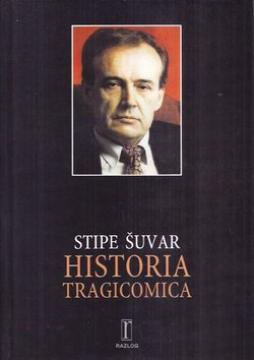
Historia tragicomica
A collection of interviews and original writings by Stipe Šuvar from the 1990–2004 period, covering the breakup of Yugoslavia, nationalism, wars, transition, and socio-political changes.
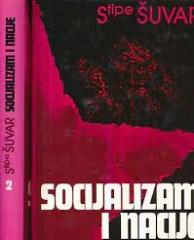
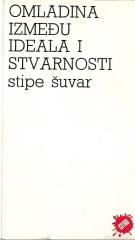
Stipe Šuvar’s Historia tragicomica is a collection of interviews, original articles, sociological analyses, and public statements produced between 1990 and 2004. The book was compiled by his wife, Mira Šuvar, and published in 2013 by the Zagreb-based publishing house Razlog.
The work is divided into three sections. The first presents 35 interviews published in newspapers and journals across the former Yugoslavia; the second gathers original articles and presentations from international conferences; and the third contains occasional writings on significant events and figures.
Writing from the perspective of a sociologist, a Marxist intellectual, and a former high-ranking Yugoslav official, Šuvar analyzes the breakup of the SFRY, the rise of nationalism, the wars of the 1990s, ethnic cleansing, and the consequences of the capitalist transition. He examines relations between Croats and Serbs, the roles of Tito, Milošević, and Tuđman, and questions the responsibility of political elites. He also reflects on controversies surrounding his own activities, including education reform and the "White Book."
Of particular value are Šuvar’s analyses of social inequalities, the emergence of new capitalist elites, globalization, and the future of the Left. Arranged chronologically, these texts offer a firsthand account of a turbulent historical period and serve as a valuable resource for understanding the political and social history of Croatia and the region of the former Yugoslavia.
One copy is available