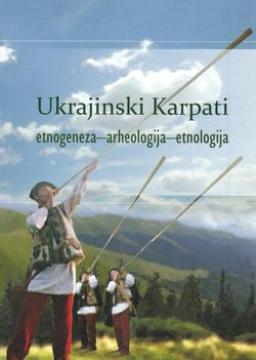
Ukrajinski Karpati: Etnogeneza, arheologija, etnologija
Zbornik je interdisciplinarni most između ukrajinske i hrvatske znanosti, potiče komparativna istraživanja slavenskih migracija. Predstavlja Karpate kao „živi arhipelag“ koji povezuje Istok i Zapad, važan za hrvatsku etnogenezu i slavistiku.
Zbornik je rezultat suradnje Katedre za ukrajinski jezik i književnost Filozofskog fakulteta Sveučilišta u Zagrebu s Institutom za etnologiju NAN Ukrajine u Lavovu i Nacionalnim sveučilištem Ivan Franko u Lavovu. Sadrži prijevode (s ukrajinskoga) radova istaknutih ukrajinskih znanstvenika (etnologa, arheologa, antropologa, povjesničara), studentskih prijevoda s diplomskog studija ukrajinistike te uvodnu studiju urednika Jevgenija Paščenka „Upoznavanje Karpata“.
Cilj je interdisciplinarni pristup ukrajinskim (Istočnim) Karpatima kao ključnoj zoni etnogeneze istočnih Slavena, s naglaskom na veze s hrvatskom etnogenezom (Bijeli Hrvati, migracije, poredbeni pristup). Knjiga približava problem nužnosti komparativnog proučavanja ukrajinske i hrvatske građe – etnički, povijesni, kulturni tokovi Srednje i Jugoistočne Europe.
Glavne cjeline i teme:
- Etnogeneza: Praslavenske migracije (5.–9. st.), uloga Karpata u formiranju istočnoslavenskih plemena (Bijeli Hrvati, Dulebi, Tivertsi), miješanje sa starosjedilačkim stanovništvom (Dačani, Kelti, Trako-Dačani, Sarmati), kontinuitet od Kijevske Rus' do Galicijsko-Volinjske države. Posebno se raspravlja o „bijelohrvatskom“ pitanju i njegovoj ulozi u balkanskoj migraciji.
- Arheologija: Pregled slojeva od neolitika (Trypiljska kultura), preko lužičke, skitske, Černjahivske, Penkivske i Praške kulture do ranosrednjovjekovnih gradišta (npr. Stiljsko – jedno od najvećih u Europi, 8.–10. st., povezano s Bijelim Hrvatima). Analiziraju se utvrde, grobovi, kamena svetišta („božje gore“), kontinuitet naseljenosti.
- Etnologija: Dubinska analiza subetnosa ukrajinskih gorštaka – Huculi, Bojki, Lemki (i dijelom Doljnjaci, Pidhirjaci). Opisuju se tradicionalna stočarstvo, drvena arhitektura (crkve, kuće), folklor (kolomijke, trembita, polifona pjesma), običaji (Ivanjdan, božićni rituali), mitologija, demonologija, vez, rezbarenje, grkokatolička vjera. Naglasak na očuvanju arhaičnih praslavenskih elemenata i identitetskim izazovima (rusinizam, deportacije Lemaka 1947.).
Ključni zastupljeni autori (prema katalogskim zapisima NSK, KGZ i povezanim izvorima):
- Stepan Pavljuk (etnolog, Institut za etnologiju NAN Ukrajine) – radovi o etnogenezi i etnologiji Karpata, subetnosima (Huculi, Bojki, Lemki).
- Dmytro Vortman (arheolog) – prilozi o arheološkim slojevima, gradištima (npr. Stiljsko) i ranosrednjovjekovnim nalazištima.
- Mykola Kosmina (ili varijante Kosmyna) – tekstovi o migracijama, praslavenskim kulturama i kontinuitetu naseljenosti.
- Jevgenij Paščenko – urednik i autor uvodne studije „Upoznavanje Karpata“, te vjerojatno nekih komentara/komparativnih dijelova o hrvatsko-ukrajinskim vezama (Bijeli Hrvati).
One copy is available