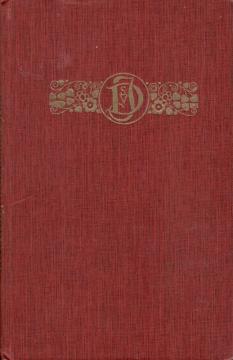
Božji međaši: Pripovijest iz Istre
Ivan Pregelj (1883–1960), a Slovenian writer, professor, and Catholic intellectual, briefly taught at the Pazin Gymnasium. The fruit of that experience was the story Božji mejniki (God's Milestones) (1925), later published under the title Plovan pre Šime.
God's Boundaries (1925) is a story from Istria about the Croatian priest Don Šime Križmanić (named after Šime). Inspired by Bishop Juraj Dobrila, he fights for the spiritual, social and national awakening of the Istrian Croatian people in the midst of poverty, Italian pressure and church passivity in the 19th century. The work emphasizes faith as the driving force behind "God's Boundaries" – the boundaries of justice and identity.
The plot is set in the 19th century, during the time of Bishop Juraj Dobrila, the great Istrian revivalist. The main character is a young priest Šime Križmanić from Ježenje (like Dobrila). After his ordination, he works in Trieste following his role model, and then temporarily comes to Istria to replace the sick parish priest of Tinjan. Instead of a short stay, he stays longer and dedicates himself to intensive pastoral and social work.
Pregelj realistically and with deep compassion depicts the difficult life of the Istrian Croatian peasantry – material misery, spiritual neglect, national oppression under Italian influence and often passivity of the clergy. Don Šime implements Dobrila's model: active action that combines the vertical of faith (prayer, consolation) with the horizontal of social care. He organizes, teaches, raises spirits, faces resistance and challenges, but does not give up. Faith is not abstract, but active – it builds "God's boundaries", the boundaries of dignity, harmony and national identity.
The style is typical of Pregelj: expressionistic charge, psychological depth, Catholic ethics and national romanticism. The work belongs to the genre of historical/peasant narrative with criminal and social elements, but above all it is a hymn to the priestly vocation in the service of the people. It was popular among Croats in Istria even during the Italian occupation, because it strengthened identity.
The book is an important document on the Istrian Renaissance, Catholic social activism, and the role of priests as national leaders. Today, it is read as a testament to regional history and a universal message of engaged faith.
One copy is available
- Signature of previous owner