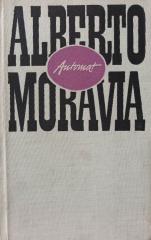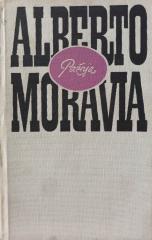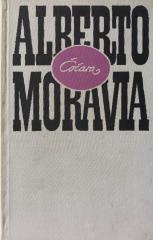
Rimske priče: izbor
Zbirke kratkih priča iz rimskog života poslijeratnog doba: obični ljudi iz naroda i male buržoazije – siromašni, radnici, sitni obrtnici – suočavaju se s bijedom, preživljavanjem, ljubomorom, sitnim prevarama i moralnim kompromisima u svakodnevici.
Rimske priče predstavljaju izbor najreprezentativnijih priča iz dvije zbirke Alberta Moravije: Racconti romani (1954.) i Nuovi racconti romani (1959.), ukupno preko 130 kratkih priča napisanih uglavnom između 1948. i 1959., prvo objavljenih u novinama (Corriere della Sera, La lettura). Ove priče označavaju Moravijin neorealistički zaokret nakon Rimljanke (1947.) – fokus na poslijeratni Rim, u tranziciji iz bijede i ruševina prema ekonomskom procvatu (miracolo economico).
Glavni junaci su "mali ljudi" Rima: proletarijat, lumpenproletarijat, sitna buržoazija – taksisti, radnici, trgovci, domaćice, sitni lopovi, nezaposleni, mladi iz periferije. Priče su gotovo uvijek u prvom licu, s naglaskom na kolokvijalni jezik, rimski dijalektalni prizvuk i ironiju. Svaka priča je samostalan "slučaj" iz života: sitna prevara koja propadne (Il biglietto falso), ljubomora i osveta (La bella serata), pokušaj bijega iz siromaštva, bračne svađe, seksualne frustracije, glad, poniženje, ali i sitna radost ili apsurdna nada.
Moravia ne idealizira narod – suprotno nekim neorealistima, pokazuje ga cinično, oportunistički, moralno ambivalentno: ljudi lažu, varaju, izdaju, ali i pate, vole i bore se za preživljavanje. Nema herojstva, samo "brulicante passività" – pasivna, neprestana struja života u velikom gradu. Pozadina je Rim: periferije, borgate, ulice, barake, Trastevere, ali i centar – kontrast između siromaštva i početka potrošačkog društva (automobili, prvi odmori).
Moravia je htio "aktualizirati" Gioacchina Bellija – rimskog pjesnika 19. st. koji je u sonetima na rimskom dijalektu prikazivao plebs. Ovdje je to proza realistična, suha, bez patetike, s fokusom na erotske i egzistencijalne motive (želja, posesivnost, otuđenost). Priče su kratke, telegrafski precizne, često s neočekivanim obratom ili gorkim krajem – npr. čovjek koji izgubi sve zbog male pohlepe ili žena koja sanja ljubav, ali završi u kompromisu.
Ove zbirke su ključne za razumijevanje Moravijine "rimske faze" (uz Rimljanku i Čočaru) – portret društva u promjeni, gdje ratna trauma prelazi u moralnu ravnodušnost i materijalizam. Utjecale su na talijanski neorealizam i kasniju književnost o "malim ljudima".
One copy is available