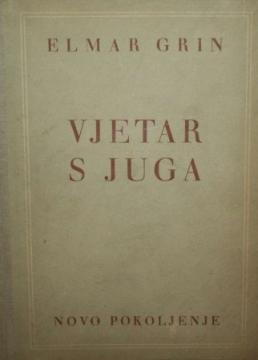
Vjetar s juga
The story of the Finnish peasant Einari Pitkänen, who, amidst the upheavals of war and social change, journeys from a destitute, dependent laborer to an enlightened man who discovers his own dignity.
The narrative Wind from the South was written immediately after the Second World War and stands as Elmar Green’s most renowned work, for which he was awarded a prestigious state prize. Set in rural Finland during the first half of the 20th century, the story follows the life of Einari Pitkänen, a poor farm laborer. Bound to barren soil and entirely dependent on a wealthy local landowner, Einari lives for years under the conviction that this unjust, subordinate position is the only natural and possible state of affairs. However, the upheavals of war, social fractures, and an encounter with new ideas gradually shake his long-held beliefs. Through arduous life trials, the author depicts the protagonist’s inner maturation—from a troubled resignation to his fate toward the gradual awakening of personal consciousness, working-class solidarity, and human dignity. The title, Wind from the South, carries a powerful symbolic message: the arrival of warmer times, the spring thaw, and the inevitable social changes that bring hope for a more just life. Characterized by a simple narrative style and vivid depictions of the Finnish landscape and daily rural life, this story remains a striking testament to the transformation of the "common man" during turbulent historical times.
Jedan primjerak je u ponudi
- A message of a personal nature
- Traces of patina