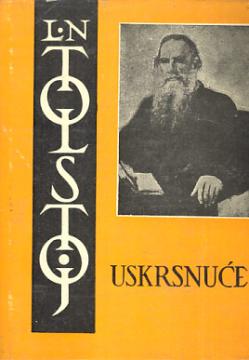
Izabrana djela 1: Uskrsnuće
In his last great novel, Resurrection (1899), Tolstoy combines literary artistry with profound moral and philosophical reflections, making it a key work of his late oeuvre.
In Tsarist Russia, Dmitri Nekhludoff, an aristocrat, enjoys his privileges as his past fades from his memory. Everything changes when, in court, he recognizes Katusha Maslova, accused of murder. She was once an innocent girl whom he seduced and abandoned, leaving her pregnant and without support, which pushed her into prostitution. The encounter shakes Nekhludoff, awakening a sense of guilt and setting him on a path of moral inquiry. He decides to abandon his comfortable life and follow Katusha into exile in Siberia, seeking redemption.
The journey reveals the cruelty of the justice system, the injustices of prison, and the hypocrisy of society. Through encounters with other prisoners, Nekhludoff becomes aware of deep social inequalities, while Katusha undergoes her own spiritual transformation. The novel explores themes of repentance, justice, and spiritual awakening, reflecting Tolstoy's Christian anarchism and pacifism.
Resurrection is the culmination of Tolstoy's late work, where he moves away from the epic breadth of War and Peace and the intimate psychology of Anna Karenina, focusing on moral reform and criticism of social institutions. The work reflects his radical philosophy, imbued with ideas about a simple life and rejection of materialism.
The novel was controversial for its harsh criticism of the church, government, and judiciary, leading to Tolstoy's excommunication from the Russian Orthodox Church in 1901. Readers and critics were divided: some praised its moral depth, while others found it too didactic. Nevertheless, the novel had a global impact, inspiring debates about justice and humanity, and is now considered a classic that illuminates Tolstoy's vision of a more just world.
Jedan primerak je u ponudi
- The cover is missing