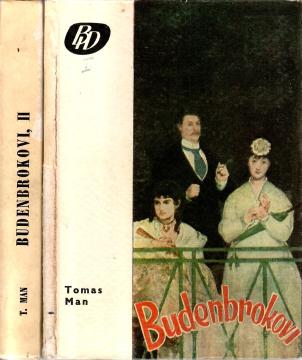
Budenbrokovi
Budenbrokovi nije samo obiteljska kronika – to je duboka, melankolična freska o tome kako se vrijeme i promjene neumoljivo uvlače u srž jedne ugledne građanske obitelji, noseći sa sobom propast koja je i tragična i neizbježna.
Mann je roman napisao sa samo 26 godina, crpeći iz vlastite obiteljske povijesti iz Lübecka – grada koji se u knjizi nikad izričito ne spominje, ali pulsira u svakoj sceni, u svakom opisu kuće, večere, poslovnog razgovora. Priča prati četiri generacije obitelji Buddenbrook, bogatih trgovaca žitom i robom na sjeveru Njemačke, od vrhunca blagostanja 1835. do potpunog sloma krajem 1870-ih. Ono što počinje kao slika stabilnosti, tradicije i ponosa – obiteljski ručkovi, poslovni uspjesi, brakovi po računici – polako se pretvara u priču o gubitku: financijskom, moralnom, duhovnom.
U središtu su likovi koji nose teret nasljeđa: stari Johann, utjelovljenje stare hanzeatske discipline; njegov sin Thomas, koji se bori da održi firmu u doba industrijalizacije, ali osjeća kako mu život curi kroz prste; sestra Tony, živahna i ponosna, čiji brakovi i životne odluke postaju simbol uzaludnog otpora promjenama; brat Christian, ekscentričan i nesposoban za buržoaski život, koji najjasnije pokazuje pukotinu između starog svijeta i novog. A tu je i Hanno, posljednji u lozi – osjetljivi, umjetnički dječak koji više voli glazbu nego posao, i čija sudbina simbolizira konačni raskid s tradicijom.
Mann piše s ironijom, ali i sa suosjećanjem – nema tu karikature, nego suptilno razumijevanje kako buržoazija sama sebe jede iznutra: kada se vrijednosti pretvore u krute forme, kada se posao odvoji od strasti, kada se individualnost guši pod teretom "obiteljskog imena". Roman je pun detalja – mirisa hrane, šuštanja haljina, zvukova luke – koji čine svijet opipljivim, gotovo filmskim.
Za ovaj roman Mann je 1929. dobio Nobelovu nagradu, a on ostaje njegovo najpristupačnije i najvoljenije djelo – univerzalna priča o tome kako se velike obitelji i epohe raspadaju, ne u velikim katastrofama, nego u tihim, svakodnevnim porazima.
Knjiga se sastoji od dva toma.
Jedan višetomni primerak je u ponudi.
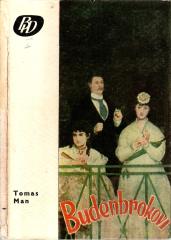
- Leichte Beschädigung der Abdeckung
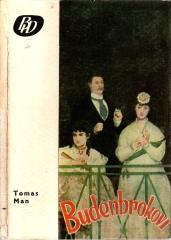
- Beschädigte Abdeckung